

Our physicians use double filtration plasmapheresis to remove harmful substances from the blood. This treatment uses two filters to extract large molecules from plasma, helping the body recover more quickly. Patients with autoimmune encephalitis, myasthenia gravis, or acute inflammatory demyelinating polyradiculoneuropathy may benefit from double filtration plasmapheresis. Our physicians note that doctors choose this method because it targets specific proteins while keeping the plasma safe. The table below shows how often some of these conditions occur:
Condition | Description / Notes | Incidence Rate (per 100,000) |
|---|---|---|
Autoimmune Encephalitis (AE) | Causes neurological and psychiatric symptoms; often requires specialized care | 13.7 |
Myasthenia Gravis | Autoimmune neuromuscular disorder | N/A |
AIDP | Autoimmune peripheral nerve disorder | N/A |
If you have questions or would like to know whether double filtration plasmapheresis is suitable for you, we recommend speaking with your doctor.
Double Filtration Plasmapheresis Basics
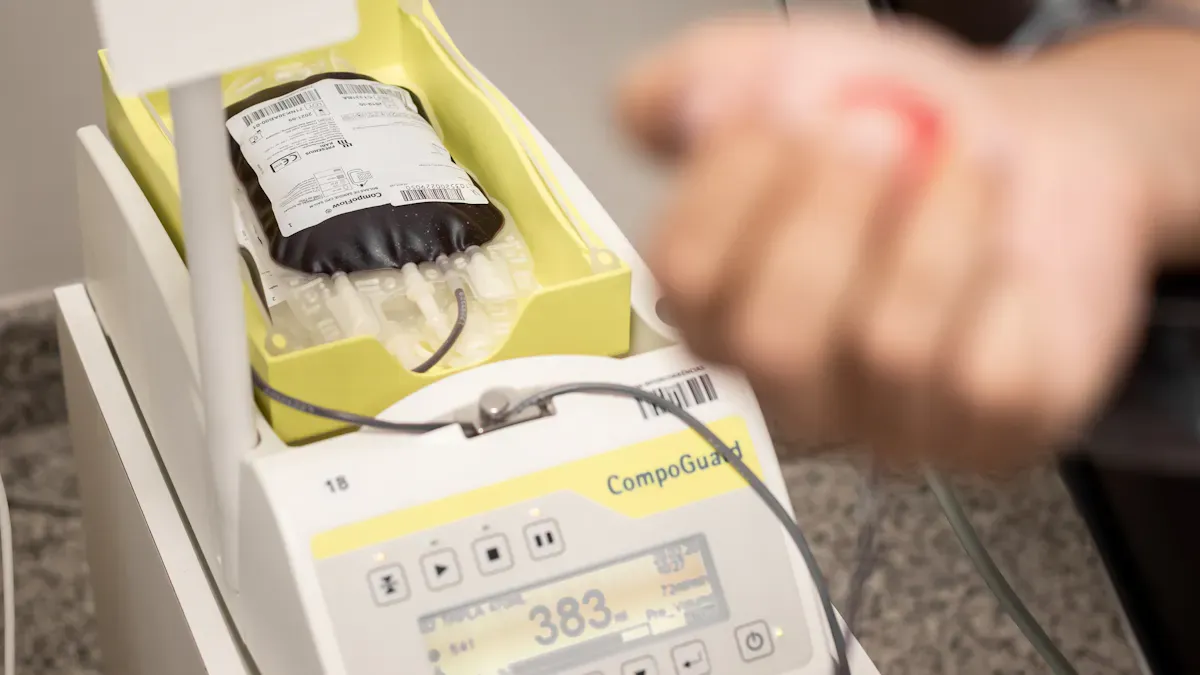
What Is DFPP
Double filtration plasmapheresis helps clean the blood of certain patients. This method is a specialized form of blood purification. It removes harmful substances from the plasma while preserving beneficial proteins such as albumin. Two filters are used in the procedure: the first separates plasma from blood cells, and the second removes large molecules such as autoantibodies and cytokines. Small, beneficial proteins remain in the plasma. As a result, the treatment is both more effective and safer. Each session processes approximately 3000 mL of plasma, and only a small amount of albumin needs to be added back. This conserves resources and further enhances the safety of the treatment.
How DFPP Differs from Plasma Exchange
Double filtration plasmapheresis differs from plasma exchange. Plasma exchange removes the entire plasma volume and replaces it with donor plasma or albumin. Double filtration plasmapheresis removes only the harmful components, and the cleaned plasma is returned to the patient. This conserves plasma and reduces the need for donor plasma. Double filtration plasmapheresis is slower but is associated with fewer complications, whereas plasma exchange is faster but less selective and uses more plasma.
Double filtration plasmapheresis is preferable for patients who need to preserve their own plasma and wish to minimize risks.
The table below summarizes the main differences:
Feature | Double Filtration Plasmapheresis (DFPP) | Plasma Exchange (TPE) |
|---|---|---|
Filtration Process | Two-step filtration | Single-step filtration |
Selectivity | Selectively removes specific components | Non-selective removal |
Plasma Return | Component-depleted plasma returned | Entire plasma volume discarded |
Removal Efficiency | Targets high-molecular-weight substances | Less selective |
Plasma Conservation | Significant plasma conservation | Higher plasma usage |
Treatment Speed | Slower treatment | Faster treatment |
Complications | Minimizes complications | Higher risk of complications |
Double filtration plasmapheresis can reduce treatment costs by approximately 38%. This is particularly beneficial in settings with limited resources. Treatment outcomes remain strong, and safety is not compromised.
If you would like to know whether double filtration plasmapheresis is right for you, consult your doctor, who can help you choose the most appropriate treatment.
How Double Filtration Plasmapheresis Works

Two-Step Filtration Process
Double filtration plasmapheresis helps patients by removing harmful substances from their blood. The treatment uses two filters with different pore sizes. The clinical procedure is clear and straightforward:
First, the patient is prepared and remains in the ICU for the duration of the treatment.
A double-lumen catheter is inserted into the right internal jugular vein. If necessary, the left vein can be used instead.
Local anesthesia is administered, and strict aseptic precautions are maintained to prevent infection.
The doctor confirms the catheter’s position with an X-ray.
A specialized machine called the HF440 extracts plasma from the blood.
The plasma then passes through a second filter, known as the plasma fractionator, which prevents large molecules from being returned to the patient.
The filtered plasma is returned to the patient. This step preserves the patient’s own plasma and reduces the need for replacement fluid.
The doctor calculates the plasma volume using Nadler’s formula and the hematocrit.
Plasma exchange requires fluids such as fresh frozen plasma, hydroxyethyl starch, and human albumin. With double filtration plasmapheresis, these fluids are not needed.
Each session lasts approximately 2.5 to 6 hours. Sessions are repeated every 24 to 48 hours, depending on the patient’s condition.
The physician always ensures that the treatment is safe and comfortable. Double filtration plasmapheresis enables the doctor to target specific molecules while preserving beneficial proteins in the plasma.
What Substances Are Removed
Double filtration plasmapheresis removes large, harmful molecules from the plasma, with a focus on autoantibodies, immune complexes, and cytokines. These substances contribute to the pathology of autoimmune diseases. The treatment targets only the harmful molecules while preserving the beneficial ones.
The table below compares the effectiveness of double filtration plasmapheresis and other methods in removing certain antibodies:
Method | Anti-GBM Antibody Reduction (%) | IgG Reduction (%) |
|---|---|---|
DFPP | 61.9 | 62.7 |
IA | 70.8 | 82.5 |
Double filtration plasmapheresis is effective at reducing harmful antibodies. Although it removes fewer than immunoadsorption, it preserves more of the patient’s own plasma and proteins.
Albumin Recovery and Plasma Use
A key benefit of double filtration plasmapheresis is the preservation of albumin, a valuable protein in plasma. The procedure removes only harmful macromolecules while retaining beneficial ones, allowing albumin to remain in the patient’s blood. Because albumin is preserved, there is no need to add extra plasma or albumin after treatment, which makes the procedure safer and more resource-efficient.
Physicians recommend double filtration plasmapheresis as an effective way to clean blood, removing harmful proteins while preserving beneficial ones.
If you would like to learn more or believe you may need double filtration plasmapheresis, consult your doctor, who can help you determine whether this treatment is appropriate for you.
Who Benefits from DFPP
Conditions Treated
Double filtration plasmapheresis can benefit patients with a wide range of health conditions. It may help people with high blood lipid levels or high blood viscosity, and patients with diabetes can also benefit from DFPP. For those with elevated inflammation, DFPP can help reduce it. Certain immune system disorders may improve with this treatment, which supports the body’s internal healing processes.
High blood lipid levels
High blood viscosity
Diabetes
Elevated inflammation levels
Certain immune system disorders
Support for overall internal health restoration
DFPP is effective for autoimmune diseases. For example, 71.9% of patients with autoimmune encephalitis improve with DFPP. We also recall a patient with psoriatic arthritis who improved significantly after DFPP. These outcomes demonstrate that DFPP can provide meaningful benefit to patients.
Patient Eligibility
Our physicians evaluate certain criteria before starting DFPP. The treatment is considered for patients with kidney transplants who experience acute humoral rejection, as well as for those with multiple sclerosis who do not respond to strong medication. DFPP also helps patients with vasculitis who do not improve with conventional treatments. Our physicians use DFPP for kidney transplants from living donors when the blood types are incompatible or the cross-match is positive. In some cases, DFPP is used for A1-to-O ABO-incompatible kidney transplants following specialized preparatory steps.
Eligibility Criteria for Double Filtration Plasmapheresis |
|---|
Acute humoral rejection of renal transplants |
Severe neurological deficits from multiple sclerosis |
Vasculitis unresponsive to conventional therapy |
Renal transplantation with ABO incompatibility |
A1-to-O ABO-incompatible kidney transplantation |
If you believe DFPP could help you or someone you know, speak with your doctor, who can help determine whether this treatment is suitable for you.
Benefits and Risks
Advantages of DFPP
Double filtration plasmapheresis (DFPP) offers several important advantages. It removes harmful antibodies while preserving essential plasma proteins. Because our physicians do not need to use as much plasma as with plasma exchange, DFPP conserves supplies and reduces the risk of transfusion-related complications. DFPP is effective for immune-mediated kidney diseases and is also well suited to children and patients with chronic illness, as it is associated with fewer side effects. Since DFPP does not require plasma replacement, the treatment is safer and more cost-effective.
DFPP removes harmful antibodies while preserving beneficial plasma components.
Our physicians use less plasma per session, so patients require fewer transfusions.
DFPP is effective and safe for kidney diseases.
Children and patients with chronic illness experience fewer complications.
Our physicians do not need to add plasma, which reduces costs and lowers risks.
The table below compares DFPP and plasma exchange across different conditions:
Indication | Advantages of DFPP | Advantages of Plasma Exchange |
|---|---|---|
AAV with renal failure | Less plasma used, fewer transfusions | Faster treatment, better for unstable patients |
Renal transplantation | Reduces fibrinogen, prolongs clotting times | Less change in clotting, more platelet reduction |
Potential Side Effects
We always monitor patients for side effects during DFPP. The most common complication is low blood pressure, which occurs in approximately 23% of treatments; when regular albumin is used, the risk rises to 33%. Some patients may bleed more easily, and we have observed gastric bleeding and small red spots on the skin. Serious problems are uncommon, but we remain vigilant.
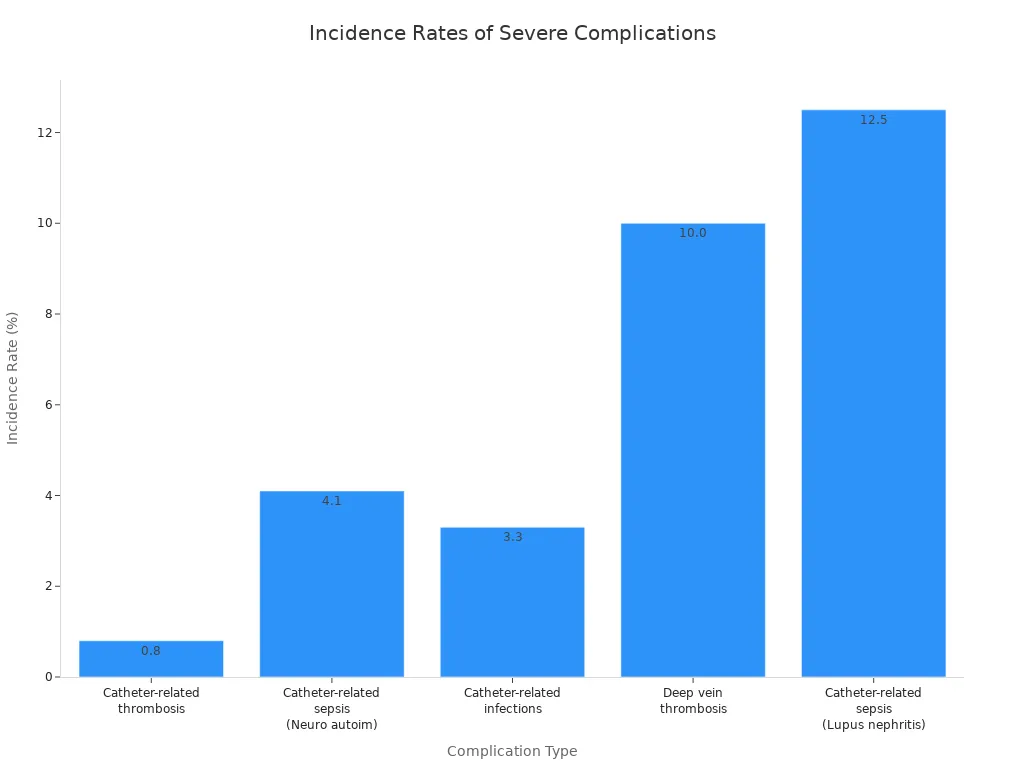
The table below shows complication rates for DFPP:
Complication Type | Incidence Rate (%) | Patient Population |
|---|---|---|
Catheter-related infections | 3.3 | Guillain–Barré syndrome |
Deep vein thrombosis | 10.0 | Guillain–Barré syndrome |
We always discuss these risks with patients before starting DFPP. If you would like more information or need assistance, make an appointment with your doctor, who can help you decide whether DFPP is right for you.
What to Expect During DFPP
Preparation Steps
We always advise patients to prepare before undergoing double filtration plasmapheresis, as proper preparation helps the treatment go smoothly. The table below outlines our recommendations:
Preparation Step | Description |
|---|---|
Diet | Eat foods rich in protein and low in salt. Choose healthy meals before the procedure. |
Avoid Tobacco | Do not use tobacco or smoke. |
Hydration | Drink plenty of water to stay well hydrated. |
Sleep | Ensure you get enough sleep the night before the procedure. |
Clothing | Wear loose, comfortable clothing during the treatment. |
Restroom Use | Use the restroom before the procedure begins. |
Tests | Undergo tests to check your heart rate, blood pressure, oxygen, and temperature. |
We remind patients to ask questions if they are unsure about anything.
The Treatment Session
When the session begins, we make sure the patient feels safe. A catheter is placed in a large vein, and the machine separates plasma from blood cells. The second filter removes harmful substances, after which the cleaned plasma is returned to the body. Our physicians monitor the patient’s heart rate and blood pressure throughout. The session lasts between 2.5 and 6 hours, and we check in with the patient regularly to ensure they remain comfortable.
Aftercare and Recovery
After the session, our physicians check the patient’s vital signs. Most patients feel tired afterward, but rest helps. We advise them to drink water and eat a light meal, and we watch for signs of bleeding or infection. Recovery time varies from person to person. Many patients require about three sessions, and more than half feel better within a week. We follow up for six months to check for relapses.
Metric | Value |
|---|---|
Median time from symptom onset to DFPP | 54.5 days (range 21–243 days) |
Median DFPP sessions | 3 sessions (range 2–6) |
mRS score before DFPP | 5 |
mRS score one week after DFPP | 4 |
Percentage of patients with improvement | 57.7% |
Follow-up duration | 6 months |
Relapse rate during follow-up | 1 patient |
DFPP vs Other Therapies
Our physicians use double filtration plasmapheresis to clean the blood. It removes harmful proteins while preserving beneficial ones. Plasma exchange removes all plasma, which carries more risks and higher costs. Immunoadsorption is effective but requires specialized equipment. Our physicians choose DFPP when the goal is to preserve the patient’s own plasma and minimize side effects.
If you would like to know whether DFPP is right for you, make an appointment with your doctor. We are here to help you understand your options.
Double filtration plasmapheresis uses two filters to remove harmful proteins from the blood. DFPP benefits some patients, but it is not used for every condition. Here are some important points to know:
DFPP is most effective for certain autoimmune diseases and provides short-term relief in myasthenia gravis.
Doctors consider DFPP when other treatments have not been effective.
DFPP preserves beneficial plasma proteins and reduces the need for donor plasma.
Potential risks include allergic reactions and infections.
We always remind our patients to discuss the benefits and risks with their doctor. If you have questions or would like to know whether DFPP is right for you, make an appointment with a healthcare professional.
FAQ
What is the main goal of double filtration plasmapheresis?
Our physicians use double filtration plasmapheresis to remove harmful substances from the blood. Our goal is to help people with autoimmune diseases feel better, and we tailor the treatment to target specific proteins. After each session, our physicians assess whether the treatment is helping.
How do we know if DFPP is working for us?
We look for signs of improvement after each session. Our physicians assess how you feel and review your laboratory results. If the treatment is working, you should feel less weakness or less pain. We discuss your progress with you and adjust the treatment plan if needed.
Is DFPP safe for children and older adults?
Our physicians use DFPP for children and older adults when it is likely to help. We monitor for side effects and evaluate how well the treatment works. Our physicians choose DFPP when the benefits outweigh the risks. We always inform families about the safety and effectiveness of the procedure.
How many sessions do we need for best results?
Our physicians determine the number of sessions needed based on how well the treatment works. Most patients require three sessions. Our physicians assess the response after each session and may add more if necessary. We want every patient to achieve the best possible results.
Can DFPP be used with other treatments?
Sometimes our physicians combine DFPP with other treatments to enhance the results. We compare how well each treatment performs and select the best plan for each patient. We always explain how combining treatments can affect the overall outcome.
If you would like more information or need assistance, make an appointment with your doctor. We are here to answer your questions.
