

When you compare double filtration plasmapheresis with other blood purification methods, DFPP proves both effective and safer. Because DFPP works semi-selectively, it removes harmful antibodies while preserving beneficial proteins such as albumin. Its response rate is comparable to that of other treatments, yet it causes fewer side effects and consumes fewer resources than therapeutic plasma exchange. The table below illustrates how DFPP performs in real clinical cases:
| Treatment Modality | Response Rate | Median EDSS Improvement | Adverse Event Rate |
|---|---|---|---|
| DFPP Monotherapy | 66.7% | 0.5 | 19.8% |
| IVMP Monotherapy | 69.2% | 0.5 | 33.8% |
| DFPP + IVMP Combination | 66.7% | 0.5 | Included in DFPP |
Understanding these differences helps you select the best plasmapheresis method for each patient, balancing both outcomes and safety.
Key Takeaways
- Double filtration plasmapheresis (DFPP) takes out bad antibodies. It keeps good proteins like albumin safe. This makes DFPP a safer choice.
- DFPP causes fewer bad reactions than therapeutic plasma exchange (TPE). This means patients have fewer side effects.
- This method works well for many problems. It helps with autoimmune diseases and kidney problems. People get better faster and have better results.
- DFPP uses less stuff and is often quicker than TPE. This helps hospitals that do not have many supplies.
- You should always talk to your doctor. Your doctor can help you pick the best blood purification method for your health.
Overview of Blood Purification Methods
What is double filtration plasmapheresis (DFPP)?
Doctors use double filtration plasmapheresis to purify the blood. This method uses a filter to remove large, harmful molecules such as disease-causing antibodies while preserving essential proteins like albumin in the body. Because the process is semi-selective, it removes only what is not needed, which distinguishes double filtration plasmapheresis from other apheresis techniques. Patients eliminate harmful substances while retaining the components that support good health. Many hospitals use DFPP because it is effective and associated with fewer side effects.
Tip: Double-filtration plasmapheresis helps you retain more plasma and albumin during treatment.
Therapeutic plasma exchange (TPE)
Therapeutic plasma exchange is another method of blood purification. In this procedure, the plasma is removed and replaced with fresh plasma or albumin. TPE removes nearly everything in the plasma, not only the harmful components, so both pathogenic and beneficial proteins are eliminated. This approach can be useful when the cause of the illness is unclear. However, patients may lose beneficial proteins and require additional replacement fluids.
Immunoadsorption
Immunoadsorption is a form of apheresis that selectively targets specific antibodies or immune complexes. Acting like a magnet, it draws out only the particular harmful substances from the blood. Special columns are used to capture these targets. Immunoadsorption is especially helpful when the disease is caused by identifiable antibodies. Because it leaves most of the plasma intact, patients retain more beneficial proteins.
HELP-apheresis
HELP stands for heparin-induced extracorporeal LDL precipitation. This method removes LDL (bad cholesterol) and other harmful substances from the blood. HELP may be considered when cholesterol levels are very high and medication has not been effective. The procedure uses heparin and filters to lower cholesterol and improve blood flow. HELP-apheresis can also remove proteins that cause inflammation.
| Method | Mechanism Description | Selectivity Level | Immune Response Impact |
|---|---|---|---|
| Single Plasma Exchange | Removes plasma without filtration, replacing it with albumin or fresh frozen plasma. | Non-selective | Minimal |
| Double Filtration Plasmapheresis | Uses a filtration membrane to selectively remove larger pathogenic molecules. | Semi-selective | Potentially significant |
Double-filtration plasmapheresis is distinctive because of its semi-selective nature: patients lose fewer beneficial proteins than with therapeutic plasma exchange. DFPP also requires less plasma, an advantage when resources are limited. TPE may be preferable when doctors need to remove unidentified harmful substances, while immunoadsorption and HELP-apheresis are reserved for specific conditions.
If you would like to know which apheresis method is best for you, consult your doctor. You can make an appointment to discuss your options and receive the appropriate care.
Mechanisms and Selectivity
DFPP two-step filtration process
During DFPP, your blood is cleaned in two steps. First, the plasma is separated from the blood cells. The plasma then passes through a second filter called a fractionator, which is much finer than the first. This filter retains large molecules such as IgG, IgM, LDL-cholesterol, and some viruses, while the remaining plasma, which still contains beneficial proteins, is returned to your body. In this way, you keep important plasma components but lose the harmful substances.
Steps in the DFPP process:
- Doctors separate your plasma from your blood.
- The plasma goes through a tiny filter. This filter takes out large, harmful molecules but lets small, useful proteins stay.
Mechanisms of TPE and other methods
Other apheresis methods work differently. Therapeutic plasma exchange, or TPE, removes all plasma proteins from the blood, meaning patients lose both harmful and beneficial proteins. Doctors must then administer replacement fluids such as albumin or donor plasma. TPE is useful when the cause of the illness is unknown, but it consumes more resources and carries greater risks.
Immunoadsorption uses special columns to capture only specific antibodies, removing the harmful components while leaving most of the plasma untouched. Double filtration plasmapheresis differs in that it uses two filters, allowing patients to lose fewer beneficial proteins and require less replacement fluid. Because DFPP does not rely on adsorption columns, it can address a wider range of conditions.
Selectivity and plasma component retention
Selectivity refers to how well a method preserves beneficial plasma components. DFPP removes harmful immunoglobulins while retaining other plasma constituents. Studies show that DFPP can remove approximately 70% of IgM and 60% of IgG in a single session, and when a 5% albumin solution is used, up to 72% of IgG can be removed after four sessions. Patients retain more beneficial proteins with DFPP than with conventional plasmapheresis, although conventional plasmapheresis may sometimes remove more IgG. The best choice depends on the patient’s condition and the physician’s clinical judgment.
Note: If you want to know which apheresis method is best for you, consult your doctor.
Clinical Indications
DFPP indications
Doctors use double filtration plasmapheresis to treat a wide range of health conditions, choosing DFPP when the goal is to remove harmful antibodies while preserving beneficial proteins. Hospitals use DFPP in heart transplantation to help prevent rejection, and patients with either type of familial hypercholesterolemia may also receive it. When a stem cell transplant is needed despite incompatible blood types, DFPP can help. It is effective for neuromyelitis optica spectrum disorders and multiple sclerosis during flare-ups, and children with PANDAS may require DFPP when their symptoms worsen. DFPP is also used in kidney transplantation for blood type incompatibility or antibody-mediated rejection. Certain neurological conditions, such as voltage-gated potassium channel antibody diseases and Guillain-Barre Syndrome, can be treated with DFPP, as can complement-mediated thrombotic microangiopathy and chronic inflammatory demyelinating polyneuropathy.
| Clinical Indication | Evidence Level |
|---|---|
| Cardiac Transplantation, desensitization or rejection prophylaxis | 1A |
| Familial hypercholesterolemia in Homozygotes/Heterozygotes | 1B |
| Hematopoietic stem cell transplant – ABO incompatible | 1C |
| Neuromyelitis optica spectrum disorders (NMOSD) – acute attack/relapse | 1A |
| Multiple sclerosis – acute attack/relapse | 1A |
| Pediatric autoimmune neuropsychiatric disorders associated with streptococcal infection (PANDAS) exacerbation | 1B |
| Renal Transplantation, ABO incompatible, antibody mediated rejection | 1A |
| Voltage-gated potassium channel (VGKC) antibody related diseases | 1B |
| Acute inflammatory demyelinating polyneuropathy (AIDP)/Guillain-Barre Syndrome (GBS) | 1A |
| Chronic inflammatory demyelinating polyneuropathy (CIDP) | N/A |
| Complement-mediated thrombotic microangiopathy (TMA) | N/A |
DFPP may be recommended for preeclampsia, particularly early-onset cases. Doctors sometimes use DFPP for kidney conditions such as glomerulonephritis and anti-glomerular basement membrane nephritis, and it can form part of the treatment for anti-GBM nephritis. For pregnancy-related complications, DFPP may help improve symptoms.
TPE indications
Therapeutic plasma exchange
is another common method of blood purification. TPE may be used when myasthenia gravis symptoms worsen, and it is also employed for Guillain-Barre syndrome, thrombotic microangiopathy, and kidney transplant rejection. Doctors use TPE for sepsis and acute kidney problems, and it can benefit patients with multiple myeloma who do not respond to other treatments. It is also used for glomerulonephritis and preeclampsia, particularly early-onset cases, and may be part of care for pregnancy-related complications.
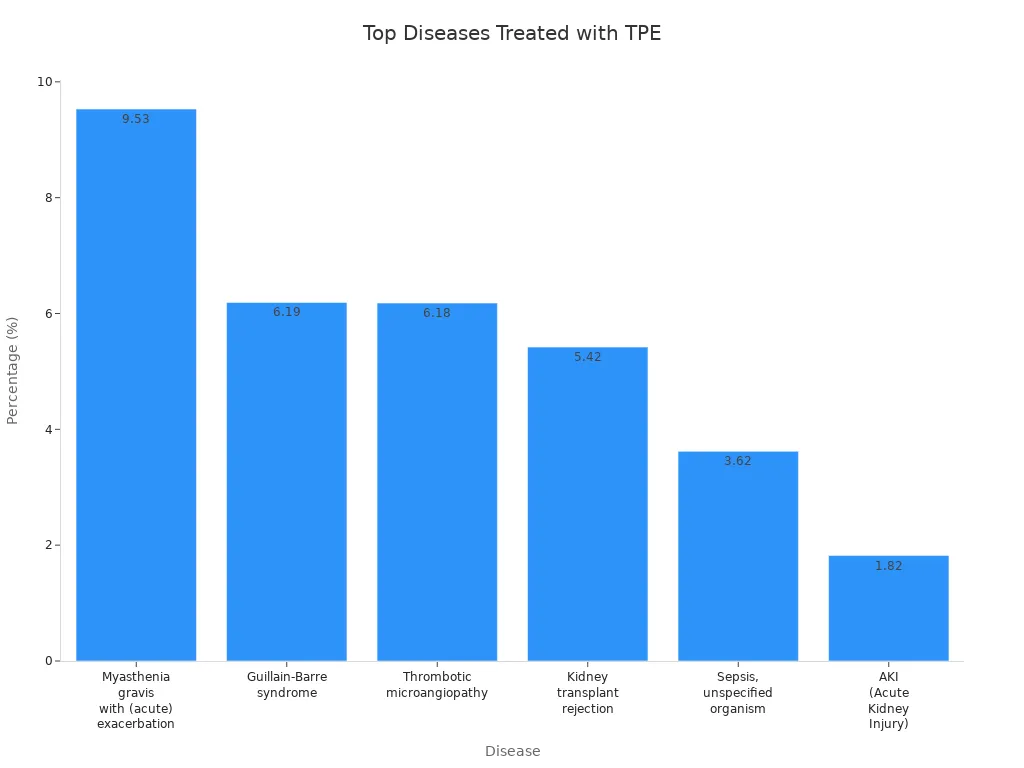
- TPE treats many nerve problems, as shown in reports and studies.
- You may need TPE for autoimmune diseases, kidney issues, and pregnancy problems.
Immunoadsorption and HELP-apheresis indications
Immunoadsorption is used to treat autoimmune diseases. It may be recommended before an organ transplant or when the body begins to reject a transplanted organ. Doctors use immunoadsorption for neurological conditions, heart muscle disease, and before or after kidney or heart transplantation. Approximately 63% of patients experience improvement after immunoadsorption. It is also used for glomerulonephritis and preeclampsia, particularly early-onset cases, and can help with pregnancy-related complications.
HELP is used for patients with very high cholesterol or severe lipid disorders. It may be necessary when cholesterol levels remain elevated despite medication. Doctors also use HELP for glomerulonephritis and preeclampsia, particularly early-onset cases, and it can be part of care for pregnancy-related complications. The main difference between DFPP and HELP-apheresis lies in how each method selects which substances to remove from the blood.
Overlapping and unique uses
As the sections above show, DFPP, TPE, immunoadsorption, and HELP are used for some of the same conditions. All of these methods treat autoimmune diseases, neurological disorders, and kidney problems. Both DFPP and TPE are used for glomerulonephritis, preeclampsia, and pregnancy-related complications, while immunoadsorption and HELP are also used for glomerulonephritis and preeclampsia. Anti-GBM nephritis can be treated with DFPP, TPE, or immunoadsorption.
A study showed that double filtration plasmapheresis improves mobility in patients with autoimmune encephalitis. DFPP can also be used for West Nile virus encephalitis, just like conventional plasmapheresis. The main difference between DFPP and HELP-apheresis lies in how each method chooses what to keep or remove from the plasma.
Note: Talk to your doctor to determine which apheresis method is best for you. Make an appointment to discuss your options and receive the right care.
Efficacy in Disease Management
Autoimmune diseases
Autoimmune diseases occur when the body attacks itself. Double filtration plasmapheresis is an effective treatment for these conditions because it removes harmful antibodies while keeping beneficial proteins safe. Doctors use it for glomerulonephritis and anti-GBM nephritis, where it lowers anti-GBM antibody levels and helps control the disease. Immunoadsorption is another option for autoimmune diseases, targeting specific antibodies when the cause is known. Both treatments are effective, but double filtration plasmapheresis uses fewer supplies and causes fewer side effects.
For preeclampsia, especially early-onset cases, your doctor may recommend plasmapheresis. This treatment can improve outcomes for both mothers and babies and reduces the risk of premature birth. You may achieve better results with double filtration plasmapheresis than with older methods. Doctors select the best treatment based on the patient’s health and available resources.
Neurological disorders
Neurological disorders such as neuromyelitis optica and Guillain-Barre syndrome cause serious symptoms and require treatment that is both fast-acting and safe. Double filtration plasmapheresis and therapeutic plasma exchange are both effective for these conditions. The table below compares them:
| Procedure | Neurological Improvement Rate | Adverse Events | Mortality Rate |
|---|---|---|---|
| DFPP | 80% | Mild, transient | 15% |
| TPE | Comparable | None reported | N/A |
Double filtration plasmapheresis
has a high improvement rate, and most side effects are mild and short-lived. It uses less plasma, which is advantageous when supplies are limited, and causes fewer allergic reactions than therapeutic plasma exchange. Both treatments are effective for anti-GBM nephritis, and Double filtration plasmapheresis can be used as an alternative option.
Tip: Ask your doctor which treatment is best for your neurological disorder. You may need a method that suits your needs and is safe.
Renal diseases
For kidney conditions such as glomerulonephritis, patients need a treatment that removes harmful substances while preserving their strength and well-being. Double filtration plasmapheresis stands out because it eliminates harmful molecules while retaining beneficial plasma components, which supports faster recovery. Recent studies show that double filtration plasmapheresis is effective for many kidney diseases, offering better outcomes and a safer profile than older blood purification methods.
Doctors consider this treatment a valuable option for challenging kidney conditions. It removes target molecules more effectively than conventional plasmapheresis, and patients may feel better with fewer side effects. When other treatments do not work, double filtration plasmapheresis provides another option.
Hyperlipidemia and metabolic conditions
High cholesterol and metabolic disorders can harm your health. Double filtration plasmapheresis and HELP-apheresis both reduce harmful fats in the blood. The table below compares them:
| Treatment Method | Key Findings | Reduction in TG Levels |
|---|---|---|
| Double Filtration Plasmapheresis (DFPP) | Rapidly lowers TG levels, reduces SIRS, improves outcome | Average decrease of 85.6% after two sessions |
| Traditional Treatments | Slow and limited efficacy, possible liver impairment | N/A |
Double filtration plasmapheresis
lowers triglyceride levels quickly, and this rapid reduction helps decrease the risk of serious complications such as SIRS. Patients may also achieve better outcomes with this treatment. Traditional therapies act more slowly and may affect the liver. Doctors choose double filtration plasmapheresis because it is both effective and safe.
Note: If you have high cholesterol or metabolic issues, talk to your doctor about double filtration plasmapheresis. It may help you feel better faster than other options.
If you would like to learn more about your treatment or need assistance, make an appointment with your healthcare provider. You deserve the best care for your needs.
Safety and Side Effects
DFPP safety profile
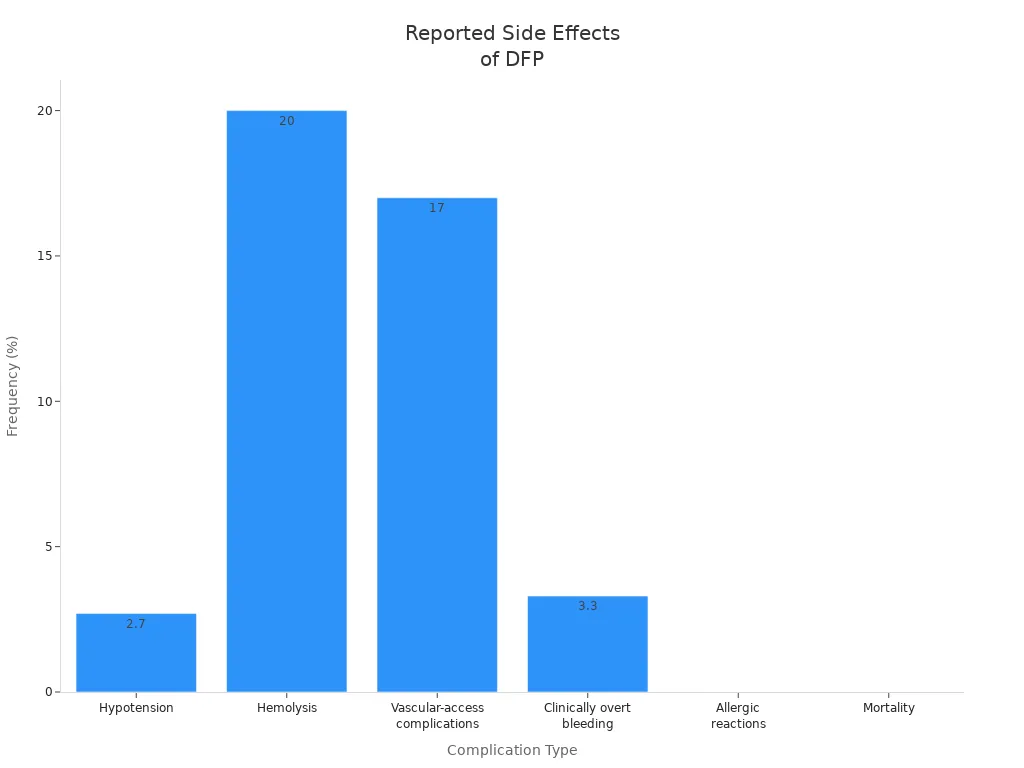
You may wonder whether DFPP is safe. Most patients tolerate double filtration plasmapheresis well. The most common complication is hemolysis, and some patients experience difficulties related to the tubing used during treatment. Low blood pressure may occur, but doctors can adjust the albumin solution to help. Bleeding is uncommon and occurs only when fibrinogen levels become very low. Allergic reactions are not associated with DFPP, and studies report no deaths from this treatment.
| Complication Type | Frequency (%) | Notes |
|---|---|---|
| Hypotension | 2.7% | Can be managed by adjusting albumin replacement. |
| Hemolysis | 20% | Most common complication. |
| Vascular-access-related complications | 17% | Significant portion of complications. |
| Clinically overt bleeding | 3.3% | Rare, may need plasma infusion. |
| Allergic reactions | 0% | None reported. |
| Mortality | 0% | None reported. |
 double filtration plasmapheresis” width=”720″ height=”540″>
Tip: If you feel dizzy or notice any bleeding, inform your care team immediately.
TPE and other methods’ risks
Therapeutic plasma exchange and immunoadsorption are also safe options. Patients may experience nausea or weakness, and occasionally a rapid heartbeat, most often with immunoadsorption. These effects occur more frequently because the procedures take longer. Mild infections are possible but uncommon, and serious infections are very rare. Plasma exchange may cause fewer minor complications than immunoadsorption, and both treatments are effective and safe for most patients.
Contraindications and patient selection
Not everyone is a candidate for these treatments. You should not receive double filtration plasmapheresis if you are bleeding or allergic to heparin. People with heparin-induced thrombocytopenia or blood that clots too easily face higher risks.
| Contraindication | Explanation |
|---|---|
| Active bleeding | High risk during the procedure. |
| Heparin allergy | Heparin should not be used in these patients. |
| Heparin-induced thrombocytopenia | Avoid heparin due to risk of low platelets. |
| Hypercoagulable state | Increased risk of clotting complications. |
Note: Always discuss your health with your doctor before starting any blood purification treatment.
If you have questions about DFPP safety or would like to know whether it is suitable for you, make an appointment with your doctor. Your care team will help you choose the safest and most appropriate treatment.
Practical Considerations
Resource use and availability
Many patients prefer a treatment that requires fewer supplies. Both double filtration plasmapheresis and therapeutic plasma exchange require specialized equipment, but DFPP does not need replacement fluids, whereas TPE requires fluids such as fresh frozen plasma, hydroxyethyl starch, and albumin. As a result, DFPP conserves supplies and is easier to implement in hospitals with limited resources.
| Procedure Type | Equipment Used | Fluid Replacement Needs |
|---|---|---|
| Therapeutic Plasma Exchange (TPE) | Granopen 060 Plasmafilter | Mixture of FFP (800-900 mL), HES 6% (1000 mL), and human albumin (20% solution diluted in saline) |
| Double Filtration Plasmapheresis (DFPP) | Granopen 060 Plasmafilter, Medopen 30 Plasmaseparator | No necessity of replacement fluids |
DFPP is available in many hospitals, although some facilities may only offer TPE or other methods.
Procedure time and patient comfort
DFPP is usually faster than TPE, as less fluid needs to be replaced. The shorter procedure and lower fluid requirements may help patients feel better. Most patients tolerate DFPP well, and it is associated with less swelling and fewer allergic reactions than other treatments.
Cost and insurance factors
Cost is an important consideration when choosing a treatment. In many regions, insurance coverage for DFPP is similar to that for plasma exchange. In Japan, DFPP costs between JPY 108,000 and JPY 123,000, while plasma exchange costs between JPY 90,000 and JPY 218,000.
| Method | Approximate Reimbursement (JPY) |
|---|---|
| Plasma Exchange (PE) | JPY 90,000 – JPY 218,000 |
| Double Filtration Plasmapheresis (DFPP) | JPY 108,000 – JPY 123,000 |
Check with your insurance provider to confirm what will be covered.
Patient outcomes and quality of life
DFPP can help you feel better quickly, especially with autoimmune encephalitis, and many patients experience greater relief with DFPP than with certain other treatments. By removing harmful antibodies, DFPP allows the body to heal. However, a longer hospital stay may be required, and there is a higher risk of some side effects, such as blood clots or liver problems. Your doctor will monitor you closely to ensure your safety.
- DFPP often helps more in the short term for some diseases.
- You may feel stronger and have fewer symptoms after DFPP.
- There are some risks, so your care team will help you choose.
If you would like more information or need help choosing the right method, talk to your doctor.
Summary Table: DFPP vs Other Methods
You may want to know how double filtration plasmapheresis compares with other blood purification methods. The table below highlights the key differences and similarities between DFPP and immunoadsorption, which can help you choose the best treatment for your situation.
| Parameter | DFPP Group (n=16) | IA Group (n=12) | What This Means for You |
|---|---|---|---|
| Sex (Male/Female) | 7/9 | 6/6 | Both groups had similar mix |
| Median Age (years) | 40 (21.8–50.2) | 49.0 (27.5–60.3) | Age range is close |
| Disease Duration (weeks) | 5 (3–9) | 8 (3–10) | Both groups had recent illness |
| Pulmonary Hemorrhage (%) | 25.0% | 16.7% | Similar risk for lung bleeding |
| Anuria (%) | 50.0% | 16.7% | DFPP group had more kidney issues |
| Hypertension (%) | 43.8% | 50.0% | High blood pressure common |
| Fever (Adverse Effect) | 4 | 2 | Low fever risk in both |
| Lung Bleeding (Adverse Effect) | 1 | 1 | Rare in both treatments |
| Skin Bruising (Adverse Effect) | 1 | 0 | Very rare |
| Patient Survival | Similar | Similar | Both treatments work well |
| Renal Survival | Slightly lower | Slightly higher | Not a big difference |
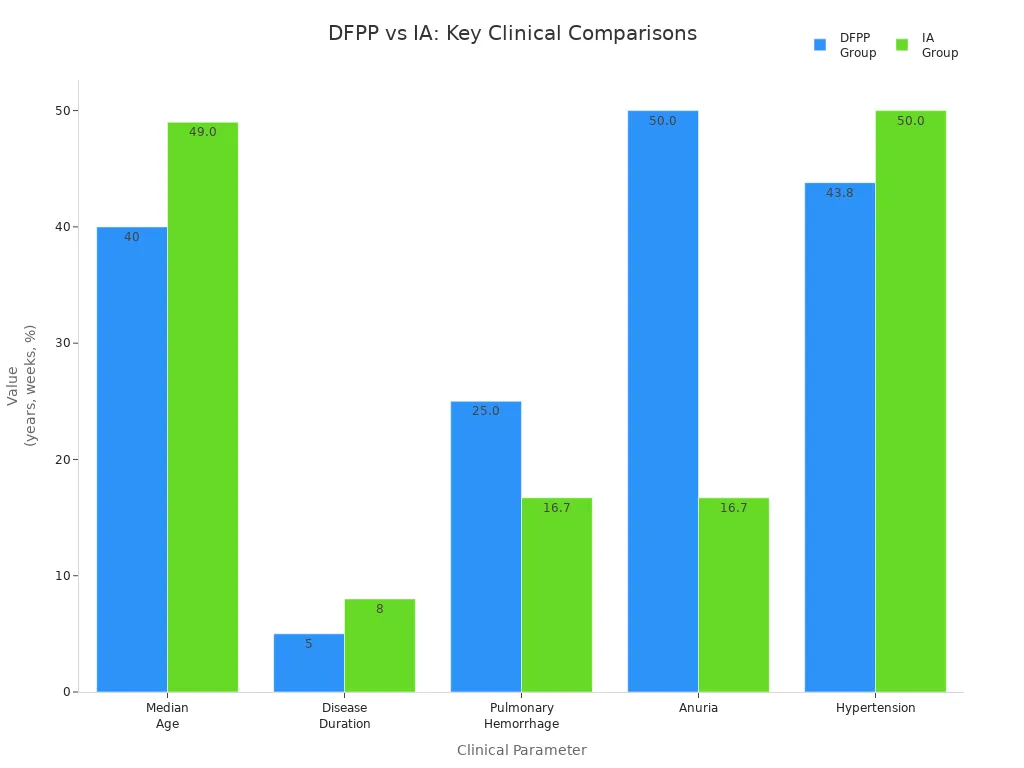
Tip: Both DFPP and immunoadsorption are safe and can help patients survive. DFPP does not require special columns, so it may be easier to use in some hospitals. Patients retain more beneficial proteins with DFPP and may experience fewer side effects.
If you want to find out which treatment is best for you, talk to your doctor. You can make an appointment to learn about your options and receive the care you need.
You can choose the best blood purification method by considering your condition, the resources available, and the outcomes you hope to achieve. DFPP is a good choice if you need to preserve more beneficial proteins and minimize allergic reactions. The table below provides a simple comparison:
| Advantages of DFPP | Limitations of DFPP |
|---|---|
| Selective removal of large molecules | Loss of some coagulation factors |
| Reduces loss of albumin | Complexity of the procedure |
| Minimizes risk of cross-infection | |
| Minimizes allergic reactions |
Ask your doctor about new studies and recent clinical trial developments. Scientists are currently investigating how these treatments may remove microplastics from the blood. Make an appointment if you would like to discuss your options or need care.
