

Lecheng Debuts Biologic Vascular Graft Artegraft® in Pancreatic Cancer Surgery
On August 26, 2026, a multidisciplinary team at Ruijin Hospital Hainan Hospital (Ruijin Hainan Hospital), located in the Boao Lecheng International Medical Tourism Pilot Zone, successfully performed a complex radical resection and vascular reconstruction procedure for a patient with pancreatic malignancy invading major abdominal vessels. The surgery utilized the imported biologic vascular graft Artegraft® — marking its first clinical application in China for this indication.
The patient, Mr. Dai (pseudonym), had been diagnosed with pancreatic malignancy. Contrast‑enhanced CT revealed that the tumor had invaded the celiac trunk, common hepatic artery, splenic artery, and left gastric artery — critical vessels supplying the liver and stomach. Without intervention, surgical resection would have led to irreversible visceral ischemia. Mr. Dai underwent six cycles of AG‑regimen neoadjuvant chemotherapy, which reduced the tumor burden but did not significantly improve the encasement of the celiac artery. To achieve an R0 resection — the complete removal of the tumor with clear margins — the involved celiac artery had to be resected and reconstructed, one of the most challenging steps in pancreatic surgery.
With conventional surgical options exhausted, the Lecheng “pioneering pilot” policy provided a new pathway. The case was led by Dr. Feng Jiachen, Chief Vascular Surgeon at Ruijin Hospital Shanghai, in collaboration with the Ruijin Hainan Hospital team. The team introduced Artegraft®, a biologic vascular graft approved for clinical use under Lecheng’s special access framework.
Artegraft®: A Biologic Alternative with FDA Heritage
Artegraft® is a decellularized bovine carotid artery graft that has been in continuous clinical use for over 50 years. It was the first vascular graft approved by the U.S. Food and Drug Administration (FDA) in 1970. The graft is processed through physical and chemical decellularization, leaving a collagen matrix that is biocompatible and resistant to infection.
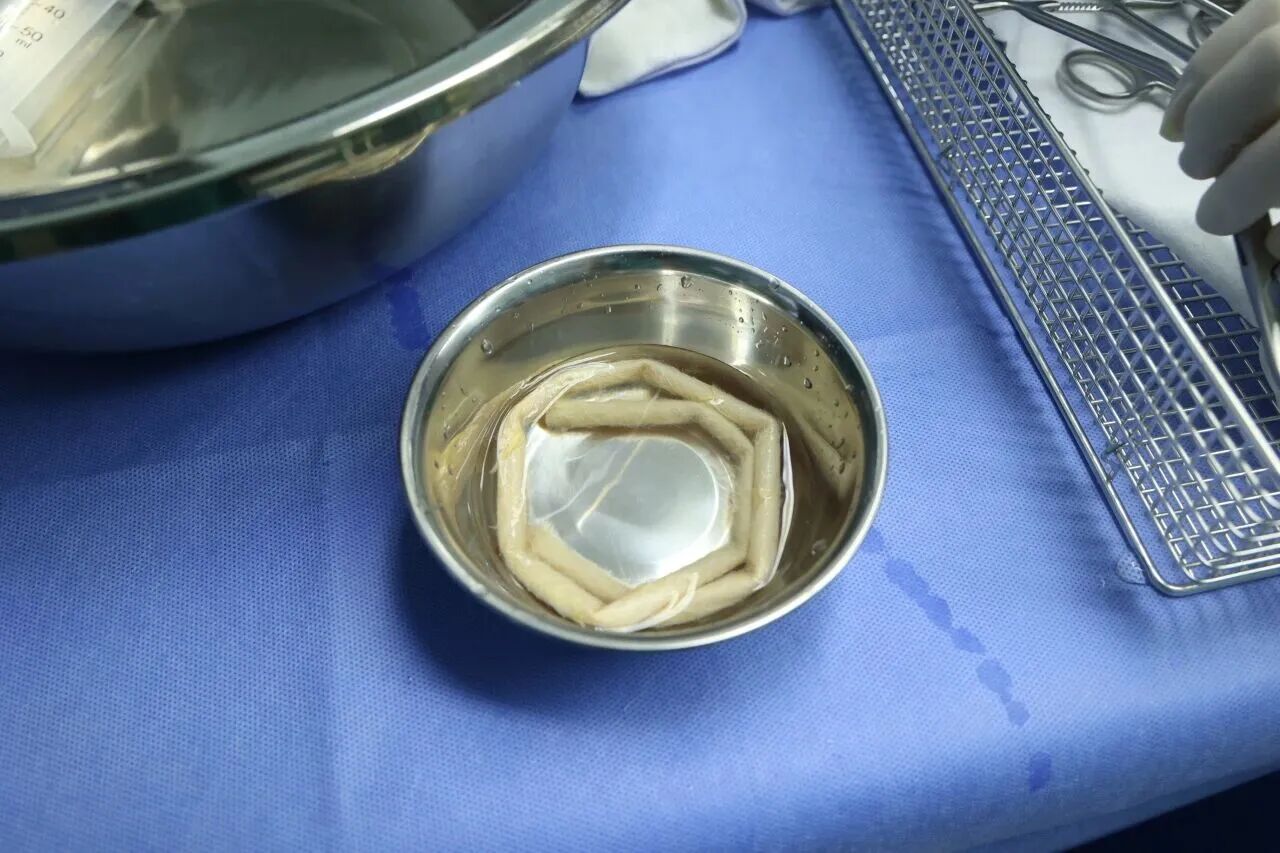
Unlike synthetic grafts, Artegraft® retains natural vascular compliance and elasticity, which may reduce the risk of infection and thrombosis. The product is indicated for segmental bypass, arterial replacement, and patch grafting distal to the aorta. More than 50,000 implants have been performed worldwide over the past five decades.
In comparative studies, bovine carotid artery grafts have demonstrated superior primary and assisted patency rates compared to expanded polytetrafluoroethylene (ePTFE) grafts in hemodialysis access, with a 1.5‑year functional patency rate of 81% and an observed 0% infection rate in one multicenter series. These characteristics make Artegraft® a viable alternative for patients with limited autologous vein options.
The Procedure: A Multidisciplinary Effort
The surgery was performed under the strategic guidance of Dr. Shen Baiyong, Vice President of Ruijin Hospital Shanghai and head of pancreatic surgery, and Dr. Zhao Qiang, Vice President and head of cardiovascular surgery. The operation was coordinated by Dr. Jin Jiabin, Vice President of Ruijin Hainan Hospital and Chief General Surgeon. The surgical team included cardiovascular surgeon Dr. Sun Yanjun, pancreatic surgeon Dr. Jiang Yu, general surgeon Dr. Wang Yanliang, anesthesiologist Dr. Zhang Haiyan, head nurse Yu Rongqian, and general surgeon Dr. Wang He.
Mr. Dai’s tumor was located in the neck and body of the pancreas and had invaded the bifurcation of the celiac artery as well as the adventitia of the superior mesenteric artery. The team meticulously dissected the tumor from surrounding tissues, preserving a segment of the celiac artery root and the distal common hepatic artery to provide healthy vascular stumps for subsequent anastomosis.
To address tumor invasion of the superior mesenteric artery, the team completely stripped the adventitia. During this process, the small inferior pancreaticoduodenal artery had to be divided — underscoring the critical importance of the subsequent vascular reconstruction to maintain adequate blood supply to the abdominal organs.
While the tumor resection proceeded, Dr. Sun Yanjun prepared the Artegraft® graft, performing ex‑vivo perfusion and conditioning to ensure optimal handling characteristics. After the tumor and involved arterial segment (approximately 6 cm in length) were resected, Dr. Jin and Dr. Sun anastomosed a 5‑mm Artegraft® graft to reconstruct the arterial blood flow.
Outcome and Clinical Significance
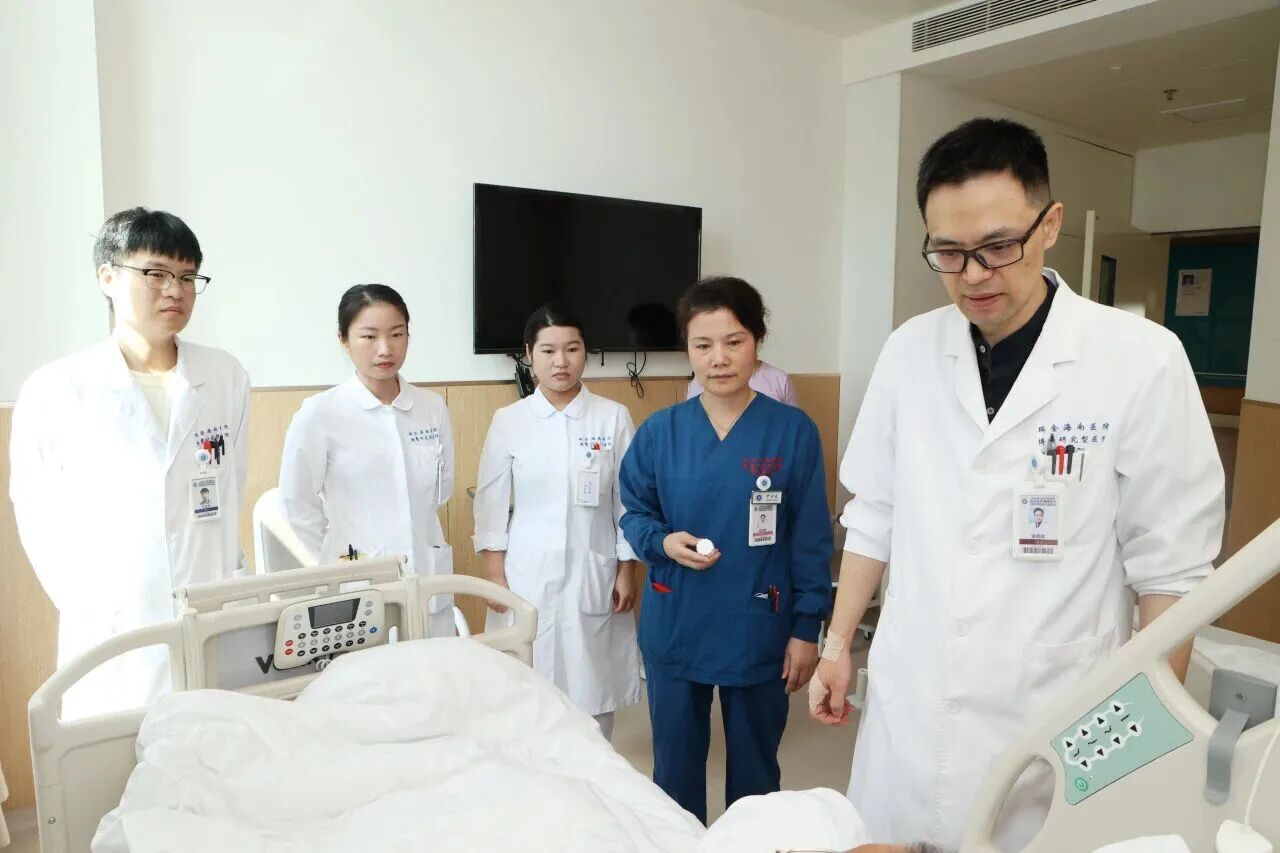
Mr. Dai recovered uneventfully under the care of the intensive care team at Ruijin Hainan Hospital and was discharged on September 5, 2026.
Beyond this single case, the successful introduction of Artegraft® at Lecheng opens new therapeutic avenues for a broader population of patients with “vascular exhaustion” — including those with end‑stage renal disease who lack suitable vessels for autologous dialysis access, and patients with critical lower‑limb ischemia who cannot undergo conventional bypass surgery due to poor venous conduits.
This milestone also highlights the role of the Lecheng Pilot Zone as a translational bridge. To date, Ruijin Hainan Hospital has obtained approval for 212 special medical devices and pharmaceutical products under Lecheng’s “pioneering pilot” framework, covering more than ten clinical fields including rare diseases, oncology, cardiovascular disease, neurology, metabolism, and orthopedics.

Disclaimer:
This article is for informational purposes only and does not constitute medical advice. Please consult a qualified healthcare professional for personalized evaluation and treatment recommendations.


