

Skip to content
LechengMedical LogoLechengMedical Logo
  • HOME
  • ABOUT
  • SUCCESS STORY
    • Turkish Doctor – COPD Treatment
    • Russian Professor – BNCT Treatment
    • LHON Patients from Japan & Myanmar
    • Anti-Aging & Stem Cells
    • Orthopedic & Rehabilitation
    • People Reviews
  • PRICE
    • Physical Checkup
    • Medical Tourism
    • Stem Cell Therapies
    • Double Filtration Plasmapheresis
  • ARTICLES
    • Why Choose Boao Lecheng?
    • Hassle-Free Entry to Hainan
    • Frequently Asked Questions (FAQ)
  • MAKE APPOINTMENT

FILSUVEZ: First EB Wound Gel in China – Now at Lecheng

Three years ago, I had a consultation that has never left me. The patient was a young man from Jiangxi Province, only seventeen years old, accompanied by his mother. His hands were wrapped in gauze, and even through the bandages I could see the characteristic webbing of his fingers—where the skin had repeatedly blistered and healed, fusing the digits together into something resembling a claw. He walked with a pronounced limp because the soles of his feet were also involved. His face, however, was remarkably unblemished, but he wore a thin cotton mask anyway, not out of contagion, but out of a profound and understandable shame.

He had what we call “butterfly skin.” And for seventeen years, he had never once known a treatment that could truly close a wound.

His mother showed me photographs from his childhood: a newborn baby whose skin sloughed off in the delivery room; a toddler covered in raw, weeping erosions just from being held; an elementary school child missing weeks of class because a minor fall in the playground had stripped the skin from his knees and elbows. She kept a detailed log: two to four hours of dressing changes every single day. She had learned to lance the blisters, to apply non-adherent dressings, to wrap his limbs just tightly enough to hold the bandages in place without causing new shear injuries. “I have never slept through the night,” she told me quietly, “not since he was born.”

I examined him. His back was a map of old scars and fresh wounds. There was a particularly stubborn lesion on his left elbow that had been open for more than three months. It drained, it bled, it sometimes got infected. We had no good answer for that wound. At best, we could dress it, hope it didn’t get worse, and tell him to be careful. At worst, we watched it slowly enlarge, as these wounds so often do.

That was three years ago. I am thinking of him now because everything has changed.

What Is Epidermolysis Bullosa? Why Is It Called “Butterfly Skin”?

Genetic epidermolysis bullosa (EB) is not a single disease but a group of rare inherited disorders united by one devastating feature: extreme skin fragility. The underlying mechanism is a genetic mutation that disrupts the anchoring proteins that hold the epidermis—the outer layer of the skin—to the underlying dermis. In healthy individuals, this connection is resilient enough to withstand the ordinary mechanical stresses of daily life. In patients with EB, however, the adhesion is fundamentally compromised. A gentle touch, a minor friction, even the simple act of changing clothes can cause the skin layers to separate, forming blisters, erosions, and open wounds that may take months—or never—to heal.

The name “butterfly children” or “butterfly babies” is simultaneously poetic and heartbreaking. Their skin is said to be as fragile as the wings of a butterfly, and the comparison is not merely sentimental. If you have ever held a butterfly, you know that even the lightest pressure can leave a permanent mark on its wings. The same is true for these patients. They are also called “butterfly children” in Chinese because the word “butterfly” evokes delicacy and beauty, but the reality is one of chronic pain, social isolation, and relentless caregiving burden.

There are four major subtypes of EB—simplex, junctional, dystrophic, and Kindler syndrome—defined by the specific layer of skin where the blistering occurs. The dystrophic and junctional forms are the most severe. Patients with these subtypes often experience blistering not only on the skin but also on internal mucosal surfaces: the mouth, the esophagus, the stomach, the intestines, even the genitourinary tract. Swallowing becomes painful. Nutrition suffers. Growth is stunted. Over time, repeated scarring can lead to fusion of the fingers and toes (a condition called pseudosyndactyly), joint contractures, and a dramatically elevated risk of a highly aggressive form of skin cancer called squamous cell carcinoma.

According to data from the Butterfly Children Care Center in China, the estimated number of EB patients in the country is approximately 15,000. This may sound small, but the burden of the disease is immense. Before FILSUVEZ arrived, there was no drug approved anywhere in China specifically for EB. The only available “treatment” was meticulous wound care—cleaning, debriding, dressing—supported by oral pain medication and nutritional supplementation. A 2019 patient survey revealed that most families spend two to four hours every day simply changing bandages. Children miss months of school. Adults cannot work. And the wounds, left to their own devices, often persist for months or years, serving as portals for infection, sources of chronic inflammation, and unrelenting sources of pain.

“We have waited too long,” one patient advocate told a reporter last October. “We have persisted, always hoping that the day when there is ‘a drug to use’ would finally come”.

That day has arrived.

FILSUVEZ Arrives in Lecheng: The First EB Patient in China

The breakthrough came through the Boao Lecheng International Medical Tourism Pilot Zone in Hainan—a special administrative zone authorized by China’s State Council to accelerate the importation of innovative medical devices and drugs not yet approved by the National Medical Products Administration for the broader market. Under Lecheng’s “pilot first, use first” policy, hospitals within the zone can offer therapies that have already received approval from major international regulatory bodies, provided they address a critical unmet clinical need in China. Patients who receive these therapies are also enrolled in real-world studies, generating safety and efficacy data that can support formal registration later.

FILSUVEZ (generic name: birch triterpenes topical gel, Chinese brand name: 桦醇三萜凝胶) was one of the first beneficiaries of this policy. In September 2025, the Lecheng Pilot Zone announced that the global first-in-class EB wound-healing drug had been approved for clinical use within the zone. The product was developed by the Italian pharmaceutical group Chiesi Farmaceutici, a ninety-year-old company with deep expertise in respiratory health, neonatal care, and—increasingly—rare diseases. The gel is now available at the Hainan Women and Children’s Medical Center Lecheng Branch, in partnership with the dermatology team of Fudan University’s Children’s Hospital.

And the first patient to receive it in China was a teenage boy from Jiangxi Province.

I cannot share his name for confidentiality reasons, but I can tell you his story, because his case exemplifies everything that this therapy represents. He was seventeen years old when he was selected as the first candidate for FILSUVEZ treatment at Lecheng. He had a confirmed diagnosis of dystrophic EB—the subtype characterized by severe blistering, extensive scarring, and a high risk of squamous cell carcinoma. For years, his family had traveled between Jiangxi and Shanghai, consulting specialists at Fudan University’s Children’s Hospital. They had tried every available wound care product. They had mastered the art of dressing changes. But nothing had ever closed his chronic wounds. One lesion on his lower leg had been open for nearly a year when the FILSUVEZ trial was announced.
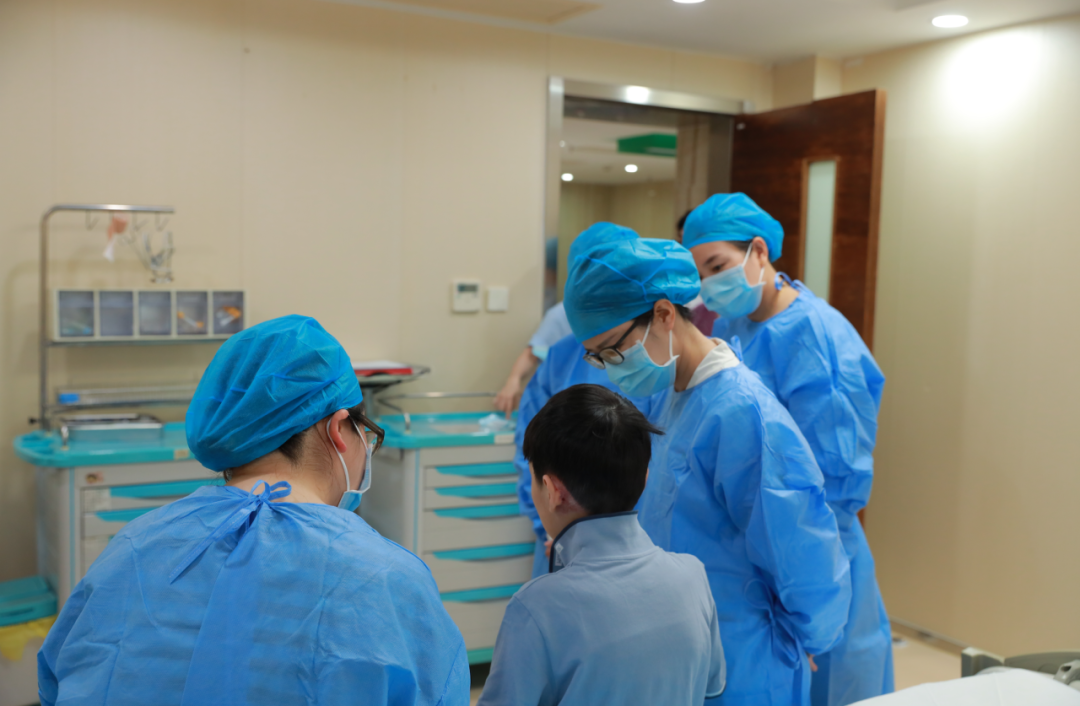
His mother, a factory worker, had taken leave from her job to accompany him to Hainan. They arrived at Lecheng in late October 2025. The treatment protocol was straightforward: the gel is applied topically to the wound surface at each dressing change, at a thickness of approximately one millimeter, and then covered with a non-adherent dressing. No surgery. No anesthesia. No hospital stay beyond the initial training period.

Within four weeks, the team observed something remarkable. The chronic wound on his lower leg—the one that had stubbornly refused to heal for nearly a year—began to contract at its edges. Healthy granulation tissue appeared where before there had been only a raw, weeping ulcer. By week eight, the wound had closed completely. For the first time in seventeen years, a portion of his skin had healed without scarring, without infection, without the constant threat of breakdown.

His mother called me after the third month follow-up. She was crying, but not from grief. “He went swimming,” she said. “We took him to the hotel pool yesterday. He has never been in a pool before because he was afraid the chlorine would burn his skin. But the doctor said it was okay now, as long as we put ointment on after. He stayed in the water for two hours. He didn’t want to come out.”

This is what medicine is supposed to feel like. Not just numbers in a clinical trial—though those numbers are important—but the restoration of ordinary human joy.

What Is FILSUVEZ (Birch Triterpenes Topical Gel)?

FILSUVEZ is both ancient and modern. The active ingredient is a dry extract derived from the outer bark of two European birch species: Betula pendula and Betula pubescens. Birch bark has been used in traditional herbal medicine across northern Europe and Asia for centuries, primarily as a topical treatment for skin wounds and inflammatory conditions. The scientific basis for this traditional use is well established. The bark is rich in pentacyclic triterpenes—naturally occurring organic compounds with documented anti-inflammatory, antimicrobial, and pro-regenerative properties. The five major triterpenes in the extract are betulin, betulinic acid, erythrodiol, lupeol, and oleanolic acid.

Modern pharmacology has elucidated the mechanism of action with remarkable precision. The triterpenes work through a synergistic effect that includes at least three distinct pathways. First, they modulate the inflammatory cascade, reducing the chronic, non-healing inflammation that is a hallmark of EB wounds. In EB, the wound environment is locked in a pro-inflammatory state that prevents normal healing. FILSUVEZ helps break that cycle by suppressing the excessive activity of certain inflammatory mediators. Second, the triterpenes stimulate the migration and differentiation of keratinocytes—the primary cell type in the epidermis. In healthy skin, keratinocytes migrate from the wound edges toward the center, dividing and differentiating to form a new epithelial layer. In EB wounds, this process is impaired. The triterpenes appear to restore the migratory capacity of these cells. Third, the extract contains antimicrobial activity that helps prevent secondary infections—a common complication that often necessitates systemic antibiotics in EB patients.

The drug is formulated as a clear, viscous gel in a single-use tube. Each gram of gel contains 100 mg of the dry bark extract, standardized to contain 84–95 mg of total triterpenes, calculated as the sum of the five major compounds. The gel is intended for topical application only and can be administered at home, integrated directly into the patient’s existing wound care routine. It is applied either directly to the wound surface, with a dressing placed over it, or onto the dressing itself, which is then applied to the wound. Dressing changes typically occur every 24 to 48 hours, depending on the amount of wound exudate.

The recommended age range is six months and older, which means even infants with severe EB—those diagnosed at birth—can now receive this therapy. This is not a cure. EB remains an incurable genetic disorder. But it is the first-ever treatment specifically approved to promote the healing of EB-associated wounds, and it represents a monumental step forward in moving EB management from passive support to active treatment.

Clinical Efficacy: What Does the Evidence Show?

The regulatory approval of FILSUVEZ rests on one of the most robust clinical development programs ever conducted for an EB therapy. The pivotal Phase III trial was called EASE—an acronym for “Epidermolysis Bullosa Clinical Study Evaluating Oleogel-S10.” It was a multicenter, randomized, double-blind, vehicle-controlled trial conducted across 58 sites in 28 countries, enrolling 223 patients with either dystrophic or junctional EB. Among these, 156 were pediatric patients, reflecting the devastating reality that most EB patients are diagnosed in early childhood. Patients were randomized in a 1:1 ratio to receive either FILSUVEZ or a control gel (identical in appearance but lacking the active triterpenes), applied at each dressing change for a three-month double-blind period, followed by a 24-month open-label extension phase.

The primary endpoint was the proportion of patients who achieved complete closure of a pre-specified “target wound” within 45 days of treatment initiation. The results were striking. In the FILSUVEZ group, 41.3% of patients achieved complete target wound closure by day 45, compared to only 28.9% in the control group—a difference that was statistically significant (p = 0.013). In other words, treatment with FILSUVEZ increased the likelihood of closing a chronic EB wound within six weeks by approximately 44%. The mean time to wound closure was also significantly shorter in the treatment group: patients receiving FILSUVEZ achieved closure 6.8 days faster on average than those receiving control gel.

The secondary endpoints, though not all reaching statistical significance in the primary analysis, consistently favored FILSUVEZ. Patients in the treatment group experienced a reduction in the frequency of dressing changes, a decrease in the pain associated with dressing changes, and a reduction in the total wound care time required by patients and their caregivers. These patient-reported outcomes are not mere “soft” endpoints; they directly affect quality of life. Reducing daily dressing time from four hours to two hours, or from two hours to one hour, allows a child to attend school, allows a parent to return to work, allows a family to sleep through the night.

The safety profile of FILSUVEZ was generally favorable. The most frequently reported adverse events were pruritus (itching) and pain at the wound application site, occurring in 7.3% of patients. Local hypersensitivity reactions, including urticaria (hives) and dermatitis, were also reported but were generally mild to moderate in severity and did not necessitate treatment discontinuation in most cases. No systemic toxicity or serious drug-related adverse events were observed. The overall safety profile is considered acceptable for a topical product intended for chronic use in a highly vulnerable patient population.

What Makes FILSUVEZ Trustworthy? A Portfolio of International Accreditations

When I recommend a therapy to a patient, particularly a young patient with a lifelong condition, I ask myself a simple question: Has this product been scrutinized by the world’s most rigorous regulatory bodies? For FILSUVEZ, the answer is a definitive yes.

The product has received orphan drug designation from both the U.S. Food and Drug Administration (FDA) and the European Medicines Agency (EMA). Orphan drug status is granted to therapies intended for rare diseases—those affecting fewer than 200,000 individuals in the United States, or five in 10,000 individuals in the European Union. This designation comes with important regulatory incentives, including market exclusivity for up to seven years in the United States and ten years in the European Union, but it also signifies that the regulatory agency has determined that the product addresses an unmet medical need in a rare disease population.

Beyond orphan designation, FILSUVEZ has received formal marketing authorization from both the EMA and the FDA. In June 2022, the EMA granted FILSUVEZ its first marketing authorization, making it the first-ever EMA-approved treatment for EB. In December 2023, the FDA followed suit, granting approval for the treatment of partial-thickness wounds associated with dystrophic and junctional EB in patients six months of age and older. The FDA’s approval was particularly notable because it made FILSUVEZ the first approved treatment for wounds associated with junctional EB, a moderate-to-severe form of the disease that causes blistering beginning in infancy. Additionally, the FDA granted FILSUVEZ both orphan drug designation and rare pediatric disease designation—the latter of which provides for a priority review voucher upon approval.

The product has also been authorized by regulatory agencies in other countries, including Switzerland, Australia, and Canada. In the UK, the National Institute for Health and Care Excellence (NICE) has recommended birch triterpenes for EB-related wound treatment in its EB guidelines. Similarly, EB guidelines in Italy and Saudi Arabia explicitly note that the approved birch triterpenes topical gel can accelerate wound healing in EB patients aged six months and older. In Australia, the Therapeutic Goods Administration (TGA) has approved FILSUVEZ with orphan drug status. Canadian authorities have granted the product priority review status, indicating a faster-than-standard evaluation timeline.

Finally, the manufacturer, Chiesi Farmaceutici, operates under ISO 13485:2016 quality management standards and manufactures FILSUVEZ in compliance with current Good Manufacturing Practices (cGMP). Each batch is subject to rigorous quality control, including verification of triterpene content, microbial limits, and product sterility—critical parameters for a topical product intended for use on open wounds.

A Call to Action: Why This Matters for Patients, and What Comes Next

When the seventeen-year-old from Jiangxi completed his treatment and returned home, his mother sent me a photograph. It was not a clinical image of his leg; it was a picture of him standing in his school uniform, holding a backpack, smiling for the camera on his first day back at school after a medical leave of more than four months. He looked like any other teenager, and that, I realized, was the whole point. Medicine, at its best, does not draw attention to itself. It restores the ability to be ordinary.

FILSUVEZ is not available everywhere in China. For now, it is accessible only through the Lecheng Pilot Zone, under the special “first-pilot, first-use” policy. Patients must travel to Hainan to receive the drug and be enrolled in the accompanying real-world study. The costs are not trivial, though the manufacturer has made progress in negotiating access: FILSUVEZ has been included in the Hainan “Lecheng Specialty Drug Insurance” and the Hainan “Huiqiongbao” insurance plans, as well as the Fujian Province “Huiminbao” commercial insurance overseas drug directory.

But for the right patient—the child with a chronic, non-healing EB wound, the young adult who has spent years in daily pain, the family whose entire existence has been organized around wound care—traveling to Hainan is not a burden. It is an opportunity.

I am writing this because I want you to know that this option exists. If you or someone you love has been diagnosed with dystrophic or junctional epidermolysis bullosa, and if you have a wound that has refused to heal despite the best available wound care, I invite you to contact us. At the Hainan Women and Children’s Medical Center Lecheng Branch, in partnership with the dermatology team from Fudan University’s Children’s Hospital, we are prepared to evaluate eligible patients for FILSUVEZ treatment within the real-world study framework. We will review your medical records—including your genetic confirmation of EB subtype, your wound history, and your prior treatments—and determine whether you are a candidate. If you are, we will arrange for your travel to Lecheng, your initial consultation, and your treatment plan.

I cannot promise that FILSUVEZ will close every wound or eliminate every scar. EB remains a relentless and incurable disease. But I can promise you that for the first time in the history of EB management in China, there is a drug that specifically promotes wound healing. There is a therapy that has been tested in the largest-ever clinical trial for EB, proven safe and effective, and approved by the world’s most stringent regulators. And it is available now—not five years from now, not after a lengthy registration process, but now—right here, in Lecheng, Hainan.

Please contact us. Let us see if we can help you close the wounds that have been open too long. Let us see if we can give you back the ordinary joy of unbroken skin.

Your trusted local gateway to Boao Lecheng International Medical Tourism Pilot Zone. We bridge the gap between global patients and world-class innovative healthcare.

LEARN MORE ABOUT US

CONTACT INFORMATION

Email: support@lechengmedical.com 

Tel: (+86) 400-118-118

For privacy reasons Google Maps needs your permission to be loaded. For more details, please see our Privacy Policy.

MEDICAL DEPARTMENTS

  • Oncology Treatment

  • Orthopedic/Rehab

  • Anti-Aging/Stem Cells

  • TCM & Wellness

  • Precision Health Screening

  • Other

© Copyright 2025 - 2026 LechengMedical.com, All Rights Reserved. | Privacy Policy | Terms of Service | Medical Disclaimer

Page load link
This website uses cookies and third party services. Settings
Ok Reject
English
Chinese
Go to Top