

Cyclogest® Arrives at Lecheng: A Gentler Path to Luteal Support in IVF
In the years I have spent working alongside reproductive medicine teams, one conversation recurs more often than almost any other. It is not about egg quality or embryo grading or the odds of implantation. It is about the progesterone.
A patient — usually a woman in her mid-thirties or forties, often after one or two failed cycles — will sit down and describe the daily ritual. The vaginal gel that leaves a chalky residue. The intramuscular injections that require a partner to administer them, that leave the buttocks bruised and sore, that she dreads from the moment she wakes up. The oral capsules that make her dizzy and nauseated. “I can handle the injections for egg retrieval,” she will say. “I can handle the waiting. But the progesterone is the part that breaks me.”
This is not a complaint about inconvenience. It is a clinical problem. Luteal phase support is not optional in assisted reproductive technology — it is essential for implantation and the maintenance of early pregnancy. And when the regimen is unbearable, adherence suffers. When adherence suffers, outcomes suffer. The data on this are unambiguous: patients who struggle with their luteal support protocol are more likely to miss doses, and missed doses correlate with lower clinical pregnancy rates.
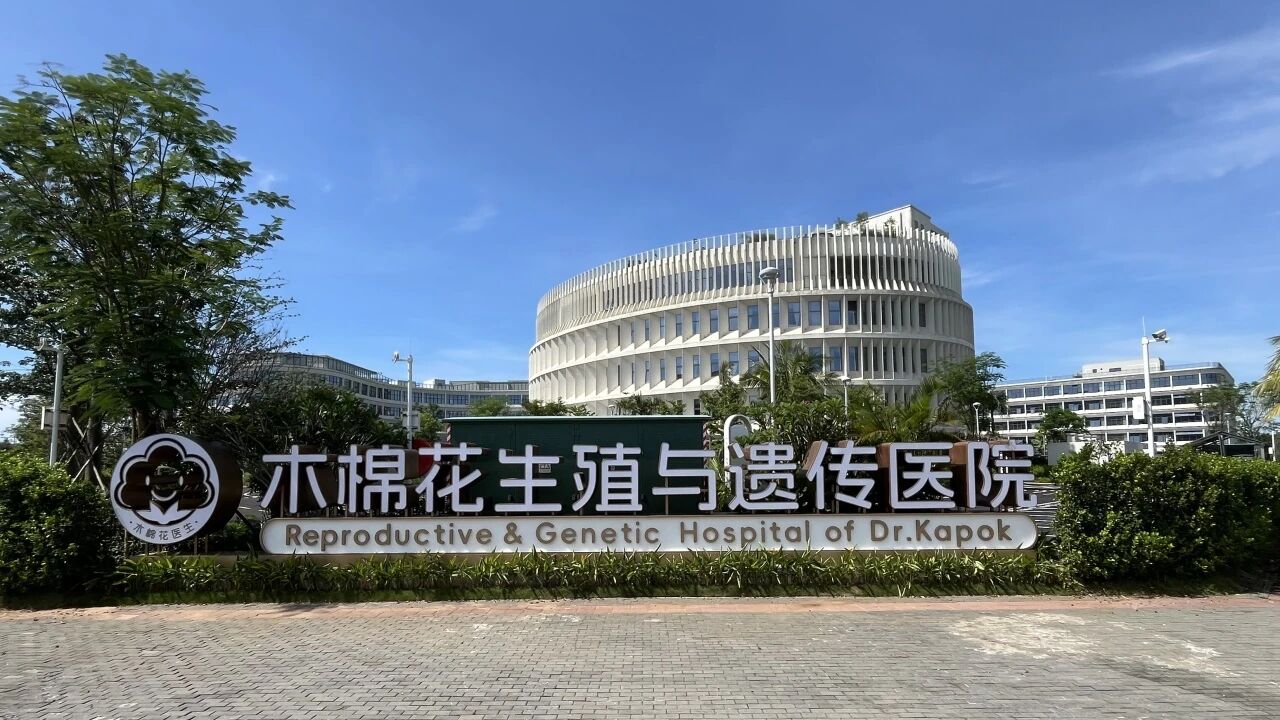
On April 25, 2026, a quiet but significant development took place in the Boao Lecheng International Medical Tourism Pilot Zone. The Reproductive & Genetic Hospital For Dr. Kapok(Hainan) introduced Cyclogest® — the world’s only progesterone pessary approved for rectal administration — and completed its first use in mainland China. The pessary is already familiar to patients in the United Kingdom, where it is registered and widely used, and in Hong Kong, where it has been available for years. In mainland China, it had not been accessible until now.
What Cyclogest® Is — and Why Its Route of Administration Matters
Cyclogest® is a pessary containing 400 mg of micronised progesterone. Each pessary is torpedo-shaped and off-white, designed for vaginal or rectal insertion. For luteal phase support in ART, the recommended dose is 400 mg administered vaginally twice daily, starting on the day of oocyte retrieval and continuing for at least 38 days if pregnancy is confirmed. The rectal route offers an alternative for patients who find vaginal administration uncomfortable, inconvenient, or contraindicated.
The active ingredient — micronised progesterone — is identical to the hormone produced by the human body. It is not a synthetic progestin. It is the same molecule, simply processed into a form that can be absorbed across mucosal surfaces. For patients who have concerns about synthetic hormones, or who have experienced side effects from oral progestins, this is a meaningful distinction.
The clinical threshold that matters most in luteal support is serum progesterone concentration. Maintaining a stable level above 10.4 ng/mL is considered the key threshold for supporting implantation and early pregnancy. Traditional intramuscular progesterone injections achieve this reliably, but at a considerable cost in patient comfort. Vaginal and rectal pessaries offer a route that bypasses the hepatic first-pass metabolism, delivering progesterone directly to the target tissues while maintaining adequate systemic levels.
A comparative study published in 2005 compared Cyclogest administered rectally with Crinone gel administered vaginally and various doses of Utrogestan. The end plasma progesterone concentrations ranged from 26 to 32 mmol/L across all groups, with no significant differences between the routes of administration. In other words, the route of delivery did not compromise the pharmacokinetic profile.
More recent data from a 2026 multicentre cohort study of 42,291 cycles examined the comparative effectiveness of vaginal oil capsules versus pessaries for luteal support in ART. The study found higher live birth rates with vaginal oil capsules compared with pessaries in both fresh and frozen cycles, and a lower miscarriage rate in frozen cycles with oil capsules. This finding does not diminish the value of pessaries — it simply underscores that the choice of progesterone formulation is not a one-size-fits-all decision. Some patients tolerate pessaries better than capsules; some prefer capsules; some need the reliability of intramuscular injections. Having more options means more patients can find a regimen they can actually sustain.
The Lecheng Pilot: Why This Matters for Chinese Patients
China has a substantial and growing population of patients seeking fertility treatment. Between 2007 and 2020, the prevalence of infertility in the country rose from 12% to 18%, affecting more than 50 million individuals. Assisted reproductive technology has become a core treatment modality, and the demand for luteal support products has grown correspondingly.
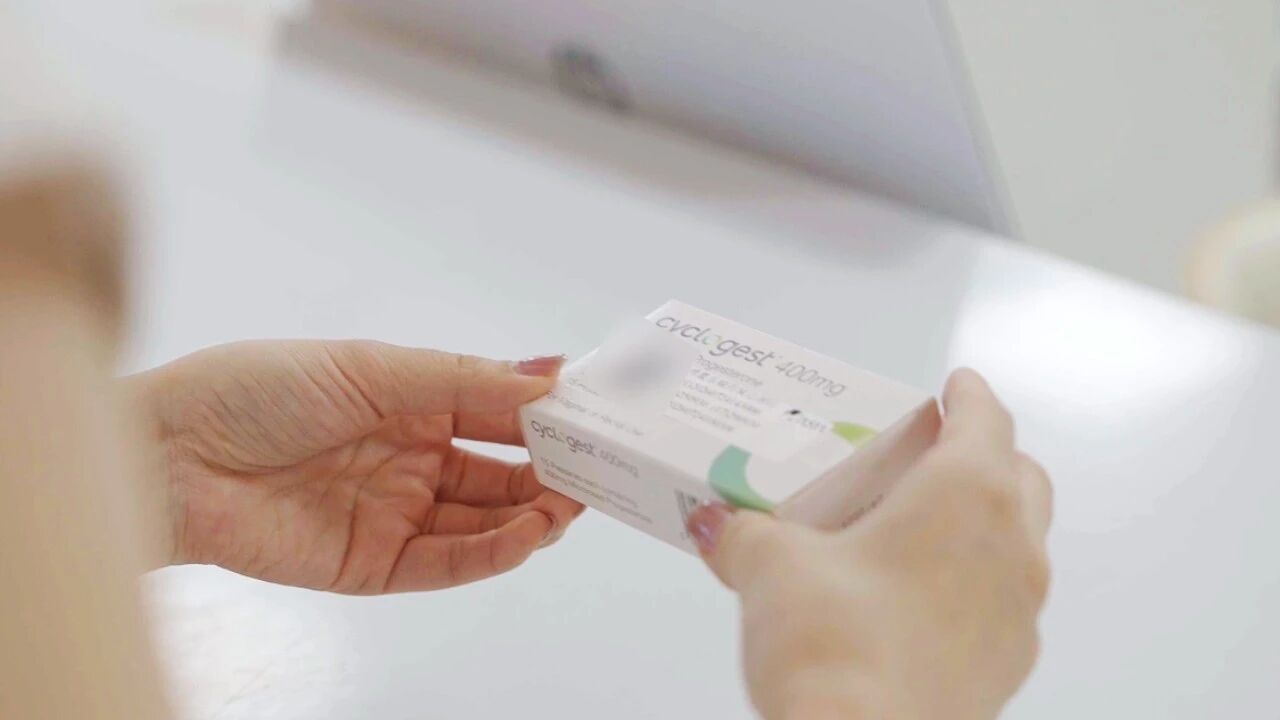
Until now, the progesterone formulations available in mainland China have been limited to oral capsules, intramuscular injections, and vaginal gel. Each has its drawbacks. Intramuscular injections are effective but painful and inconvenient, often requiring a second person to administer them. Vaginal gels can be messy and may cause irritation. Oral capsules are convenient but associated with systemic side effects such as drowsiness and gastrointestinal discomfort.
Cyclogest® fills a gap. Its dual-route capability — vaginal or rectal — gives clinicians and patients a level of flexibility that was not previously available. For patients who develop vaginal irritation from gels or capsules, the rectal route offers a practical alternative. For patients who travel frequently or have limited access to refrigeration (some progesterone products require cold storage), the pessary’s room-temperature stability is a further advantage.
Reproductive & Genetic Hospital For Dr. Kapok, where the first Cyclogest® application took place, is known for treating complex cases — recurrent implantation failure, advanced maternal age, diminished ovarian reserve, and recurrent pregnancy loss. In 2025, the average age of patients at the hospital was approximately 38, significantly higher than the national average of 33.7. The hospital’s overall blastocyst formation rate was approximately 67%. The introduction of Cyclogest® is part of a broader effort to offer international best practices to a patient population that has often exhausted conventional options.

How Cyclogest® Was Introduced at Lecheng
Cyclogest® was approved for import through Lecheng’s “clinically urgently needed” pathway, which allows drugs approved by major international regulators to be used clinically in the pilot zone before full national registration. The Hainan Medical Products Administration’s pre-review service confirmed the product’s eligibility, and the hospital proceeded with the application under the pilot zone’s special access framework.
This is the same pathway that has brought dozens of other innovative therapies to Lecheng — from gene therapies for retinal dystrophy to siRNA treatments for cardiac amyloidosis. The difference, in this case, is that Cyclogest® is not a novel molecular entity. It is a product that has been in clinical use for decades in other markets. Its absence from mainland China was not a reflection of its safety or efficacy, but of the regulatory and commercial realities that often delay access to established therapies.
What This Means for Patients and Clinicians
For patients, the arrival of Cyclogest® at Lecheng means one more option in a treatment journey that is already demanding enough. It means that if a woman finds vaginal gels intolerable, she can discuss a pessary with her clinician. It means that if intramuscular injections are not feasible — because of travel, work obligations, or the absence of a willing partner — there is an alternative that does not require a needle.
For clinicians, it means a broader armamentarium. Luteal support is not a monolithic intervention. The optimal regimen varies by patient, by cycle type, by tolerance, and by preference. Having Cyclogest® available allows for more individualized care — a principle that is central to the mission of the Lecheng Pilot Zone.


