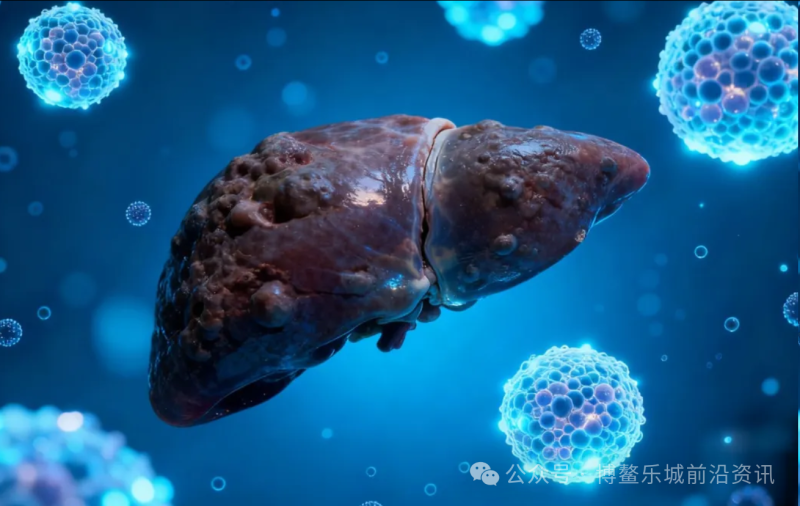
This article provides a factual, objective overview of the VUM02 therapy, the clinical rationale behind it, the treatment pathway, and the practical aspects of accessing it at Lecheng Maisel. The information is drawn directly from the hospital’s official patient materials, the regulatory approval documentation, and peer‑reviewed studies—most notably the dose‑escalation trial led by Academician Wang Fusheng’s group, published in Signal Transduction and Targeted Therapy. We aim to present clear, actionable information without overstatement.
The Clinical Context: Liver Cirrhosis and Unmet Need
Cirrhosis is the end‑stage result of chronic liver injury from causes such as viral hepatitis, alcohol abuse, or metabolic disorders. In China, the annual incidence is approximately 17 per 100,000 population, and mortality rates among urban males aged 50–60 reach 112 deaths per 100,000. Once a patient progresses to decompensated cirrhosis—characterised by ascites, variceal bleeding, jaundice, or hepatic encephalopathy—the 5‑year survival rate falls to between 19% and 35%. Conventional treatments (antivirals, diuretics, endoscopic interventions) manage complications but do not reverse fibrosis or restore liver function. Liver transplantation remains the only curative option, but donor shortages and high costs limit its accessibility to fewer than 1% of patients.

This background explains the strong interest in regenerative approaches. Stem cell therapy, particularly with mesenchymal stromal cells (MSCs), has been investigated for over a decade, and the accumulated evidence now supports its potential to modulate inflammation, reduce fibrogenesis, and support endogenous hepatocyte regeneration.
VUM02: Product Characteristics and Mechanism of Action
VUM02 is a cryopreserved, off‑the‑shelf product manufactured from human umbilical cord tissue. Each infusion contains 1.5 × 10⁸ viable MSCs, and a complete course comprises three intravenous infusions given one week apart. The product is produced under strict quality controls in a GMP‑compliant facility, ensuring batch‑to‑batch consistency.
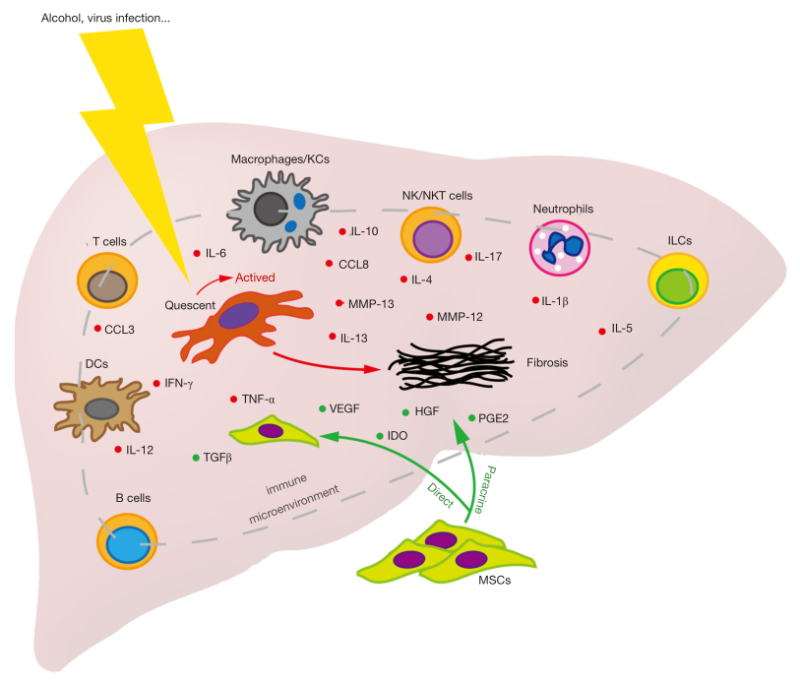
The therapeutic effect is achieved through three interconnected mechanisms, as described in the hospital’s scientific literature:
It is important to note that VUM02 is not intended to replace the liver or to restore full function immediately. The goal is to slow disease progression, improve biochemical parameters, reduce complications, and potentially delay the need for transplantation.
Clinical Evidence and Outcomes
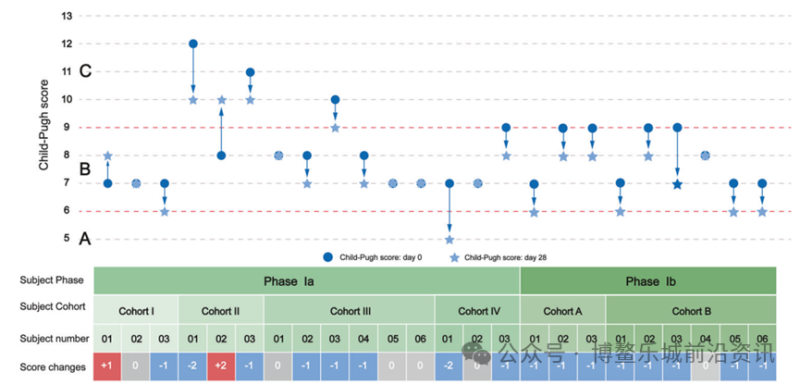
The most robust clinical data supporting VUM02 come from the phase Ia/Ib dose‑escalation study by Wang Fusheng et al., published in 2024. This study enrolled 24 patients with decompensated cirrhosis and demonstrated acceptable safety (no serious adverse events attributable to the cells) and significant immunological changes consistent with reduced inflammation and improved liver function. Earlier meta‑analyses of MSC therapy for cirrhosis have reported overall improvement rates as high as 88.9%, though these figures are composite and should be interpreted with caution.
In the Lecheng Maisel program, real‑world monitoring is being conducted through structured follow‑up at 4, 8, and 12 weeks post‑treatment, with longer‑term tracking planned. The hospital has reported that most patients experience stable or improved Child‑Pugh scores and reduced ascites requirements, but specific aggregate data are still being collected.
Patient Selection: Who Qualifies?
To ensure safety and maximise benefit, VUM02 is indicated only for patients who meet strict criteria. These are based on the regulatory approval and the hospital’s clinical protocol. The main inclusion and exclusion criteria are summarised below:
- Inclusion: Diagnosis of decompensated cirrhosis (Child‑Pugh class B or C); age 18–75 years; documented failure of standard medical therapy; willingness to comply with follow‑up.
- Exclusion: Hepatocellular carcinoma or other malignancy; severe cardiopulmonary disease; active infection; pregnancy; history of organ transplantation; significant encephalopathy; or uncontrolled comorbidities.
All candidates undergo a comprehensive pre‑treatment assessment at Lecheng Maisel, including laboratory tests, imaging, and a hepatology consultation, to confirm eligibility.
Treatment Pathway and Practical Support
The treatment pathway is designed to be straightforward and patient‑friendly:
- Remote consultation and record review – Patients submit medical history, imaging, and recent laboratory results for preliminary screening.
- On‑site evaluation – A 1‑2 day outpatient workup at Lecheng Maisel, including blood tests, ultrasound, and specialist consultation.
- Informed consent and scheduling – If eligible, the patient signs consent and receives a treatment calendar (three infusions, each separated by 7 days).
- Infusion sessions – Each session lasts about 1 hour, with an additional 1‑hour observation period. No hospitalisation is required.
- Post‑treatment monitoring – Follow‑up visits at 4, 8, and 12 weeks, with continued support via telemedicine.
From a service perspective, our team assists with travel arrangements, accommodation, translation, and appointment scheduling to ensure a smooth experience, particularly for patients coming from other provinces or countries.
Transparent Cost Structure
The pricing for VUM02 therapy has been publicly disclosed by Lecheng Maisel Hospital. It is a fixed fee per infusion, and the full course is priced as follows:
| Treatment Component | Cost (RMB) |
|---|---|
| Single infusion (1.5 × 10⁸ cells) | ¥150,000 |
| Full course (3 infusions) | ¥450,000 |
This fee covers the cell product, medical procedures, and hospital services. It does not include travel, accommodation, or ancillary medications. The hospital offers detailed cost breakdowns during the consent process, and our service team can provide estimates for the total package.
Regulatory and Safety Considerations
VUM02 is approved conditionally by the Lecheng authorities as part of the “pilot zone” policy, which allows accelerated access to novel therapies while requiring ongoing real‑world data collection. The product has passed rigorous sterility, potency, and identity testing. To date, no tumour formation or severe immune reactions have been reported in treated patients, consistent with the established safety profile of umbilical cord‑derived MSCs.
It is essential to recognise that this is a supplemental therapy, not a substitute for standard care. Patients are advised to continue their prescribed medications (e.g., antiviral therapy, diuretics) and to maintain regular follow‑up with their hepatologist.
A Practical Perspective from a Service Provider
However, we also encounter realistic expectations: many patients understand that this therapy is not a cure but a potential bridge to better quality of life and possibly to transplant eligibility. The decision to pursue VUM02 should be made in consultation with the patient’s primary hepatologist, weighing the costs and benefits against alternative options.
In summary, Lecheng Maisel’s VUM02 therapy represents a carefully regulated, evidence‑based option for patients with decompensated cirrhosis who have exhausted conventional treatments. While longer‑term data are still accruing, the current clinical evidence and regulatory framework provide a solid foundation for informed decision‑making.
“The value of stem cell therapy for cirrhosis lies not in instant resolution, but in the possibility of rewriting the disease trajectory.”
Disclosure: The author works for a medical tourism service provider that assists patients in accessing treatments at Lecheng Maisel Hospital. This article is intended for informational purposes and does not constitute medical advice. Patients are strongly encouraged to consult their own physicians before making any treatment decisions.
References: All clinical and product information is based on official materials from Lecheng Maisel International Hospital, the Lecheng Medical Products and Administration Bureau approval notice, and the published study by Wang Fusheng et al. in Signal Transduction and Targeted Therapy.