

From my desk in Lecheng, I’ve grown accustomed to witnessing medical frontiers expand. Yet, even here, certain moments resonate with a profound sense of historical significance. The late July day when Lenacapavir—an HIV prevention drug requiring just two injections a year—received its green light for use within our precinct was one such moment. It was not merely the arrival of another advanced therapy; it was the culmination of a near-synchronized alignment between global regulatory milestones and our unique mission. Merely eight working days prior, the U.S. Food and Drug Administration (FDA) had granted its approval. This “zero-time-difference” accession, as we have come to call it, marks a pivotal shift not just for Lecheng’s portfolio, but for the very paradigm of HIV prevention accessible in this part of the world.
1. Lenacapavir: A Mechanistic Leap, Not Just an Incremental Step
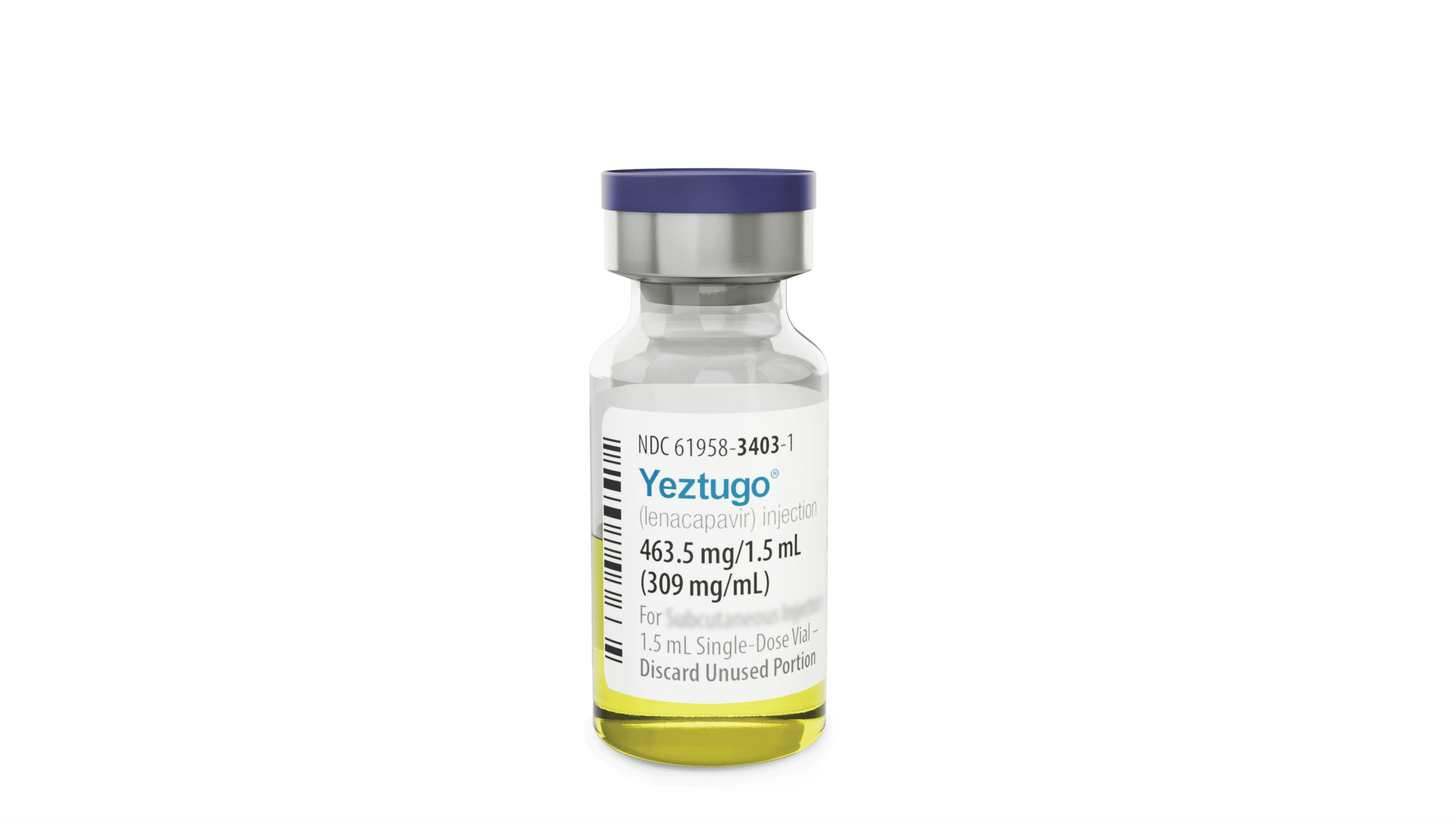
Lenacapavir, known by its brand name Sunlenca for treatment and Yeztugo for prevention, belongs to an entirely novel class of antiretroviral agents: the HIV-1 capsid inhibitor. To appreciate its novelty, one must understand its target. The capsid is a complex, cone-shaped protein shell that encases and protects the virus’s genetic material. It is not a passive container but a dynamic machine critical for multiple stages of the viral life cycle, including entering the host cell nucleus and facilitating the integration of viral DNA.
Lenacapavir works by binding directly to this capsid protein, disrupting its normal function. This interference is multi-faceted: it can block the nuclear import of the viral DNA, prevent the proper assembly of new viral particles, and lead to the creation of defective, non-infectious virions. This multi-stage mechanism of action is distinct from traditional PrEP (Pre-Exposure Prophylaxis) options, which typically target viral enzymes such as reverse transcriptase or integrase. Consequently, lenacapavir demonstrates activity even against viral strains that have developed resistance to other drug classes, offering a crucial tool for a wider range of scenarios.
2. Re-defining “Adherence”: The Unmatched Advantage of Biannual Dosing
The most immediately striking feature of lenacapavir is its dosing regimen. As a subcutaneous injection administered just once every six months, it represents a tectonic shift from the daily pill burden that has defined HIV prevention and treatment for decades. The implications of this cannot be overstated.
| Prevention Modality | Dosing Frequency | Key Considerations |
|---|---|---|
| Oral PrEP (e.g., TDF/FTC) | Daily | High efficacy dependent on perfect adherence; stigma associated with daily pill-taking; risk of missed doses. |
| Long-Acting Injectable Cabotegravir | Every 2 Months | Improves adherence but requires clinic visits every 60 days; injection site reactions common. |
| Lenacapavir (at Lecheng) | Every 6 Months | Semiannual dosing maximizes convenience and privacy; disconnects protection from daily routines; high barrier to resistance. |
As public health experts have long noted, the theoretical efficacy of a drug is only realized in its real-world use. Daily adherence is a formidable challenge for many, influenced by factors ranging from simple forgetfulness to the persistent stigma surrounding HIV, which can make taking a daily pill a risky act of disclosure. Lenacapavir effectively decouples protection from daily behavior. The clinical data supporting this model are robust. In the pivotal PURPOSE 1 and PURPOSE 2 trials, involving thousands of participants across diverse demographics, lenacapavir demonstrated a 99.9% efficacy rate in preventing HIV infection, outperforming background rates and daily oral PrEP. For the cisgender women in PURPOSE 1, the protection rate was 100%.
The “Lecheng Speed”: How Policy Enables Global Synchronization
The breathtaking speed of lenacapavir’s journey from FDA approval to availability in Lecheng is not a matter of chance; it is the direct result of a deliberate, pioneering policy framework. Lecheng International Medical Tourism Pilot Zone operates under special national regulations that allow for the expedited import and use of overseas-approved drugs and medical devices that are not yet registered in China. This mechanism is designed precisely to bridge the “availability gap” that patients in many countries face. When Liu Xitong, Vice President of Bo’ao Super Hospital in Lecheng, states that the process took “only 8 working days,” he is highlighting a streamlined, institutionalized pathway that has become our hallmark. This “Lecheng Speed” transforms global medical breakthroughs into immediate, tangible options for those who seek them here.
3. Global Recognition and the Road to Lecheng
Lenacapavir’s path to Lecheng is marked by significant global endorsements. Following its FDA approval for PrEP in June 2025, regulatory submissions are underway in the European Union, Canada, Australia, Brazil, and South Africa. Its scientific importance was recognized even earlier, when it was named Science magazine’s 2024 “Breakthrough of the Year” for its potential to reshape the HIV prevention landscape. Furthermore, global health bodies such as the World Health Organization (WHO) and financing entities such as The Global Fund are actively preparing guidance and funding strategies to facilitate its equitable access in lower-income countries. Lecheng’s action places China at the forefront of making this globally recognized innovation available.
4. Implementation at Lecheng: A Model of Integrated Care
The introduction of lenacapavir at Lecheng is not a simple drug import. It is being operationalized as part of a comprehensive, patient-centered service model. Designated institutions like the Bo’ao Super Hospital have established dedicated预约 channels and “full-process, full-privacy, full-cycle” medical service packages. This approach acknowledges that those seeking PrEP, particularly a long-acting form, require more than just an injection. It involves confidential consultation, multidisciplinary support, and ongoing health management—all within an environment that prioritizes privacy and reduces stigma, which is a cornerstone of our medical tourism ethos.
Final Reflections: Beyond a Single Drug
Witnessing the arrival of lenacapavir at Lecheng feels like observing a future standard of care taking root in the present. It encapsulates our core mission: to leverage special policies for the rapid import of genuine clinical innovations that address unmet needs. This drug, with its revolutionary dosing and robust efficacy, has the potential to dramatically increase PrEP adherence and accessibility for key populations in China and for international medical travelers. However, as experts caution, no single drug is a “silver bullet.” Its long-term success will depend on sustainable integration into broader HIV prevention ecosystems, thoughtful navigation of cost barriers, and continued destigmatization efforts. In Lecheng, we now have a powerful new tool to offer. Our task, and our privilege, is to ensure it is delivered with the expertise, compassion, and holistic support that defines true progress in healthcare.
References & Source Context: This analysis synthesizes information from official announcements and news reports covering the FDA approval and Lecheng launch of Lenacapavir (June-July 2025), its clinical trial data published in sources such as the New England Journal of Medicine , and explanatory articles on its mechanism from scientific and financial news outlets. The description of Lecheng’s policy framework is drawn from statements by Lecheng officials and hospital administrators.
